The Sussex Roman Figure Signet
£75.00
people are viewing this right now
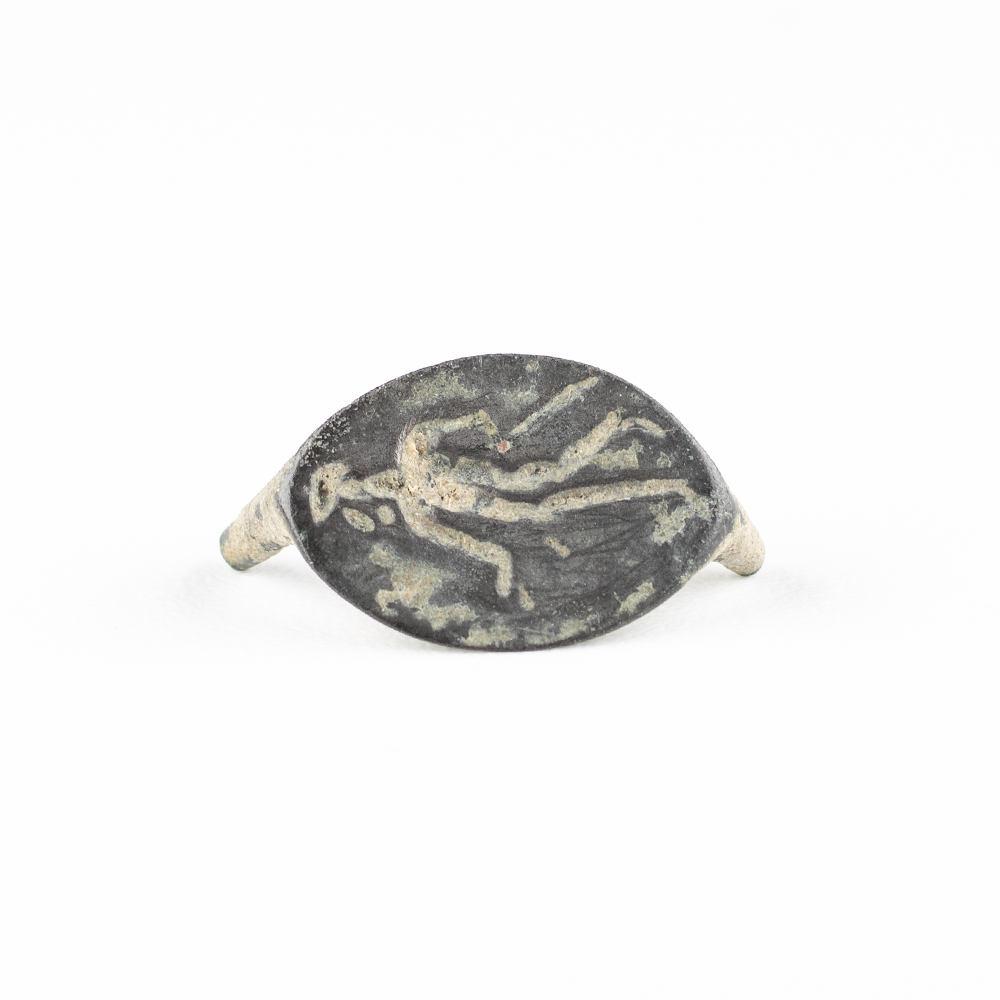
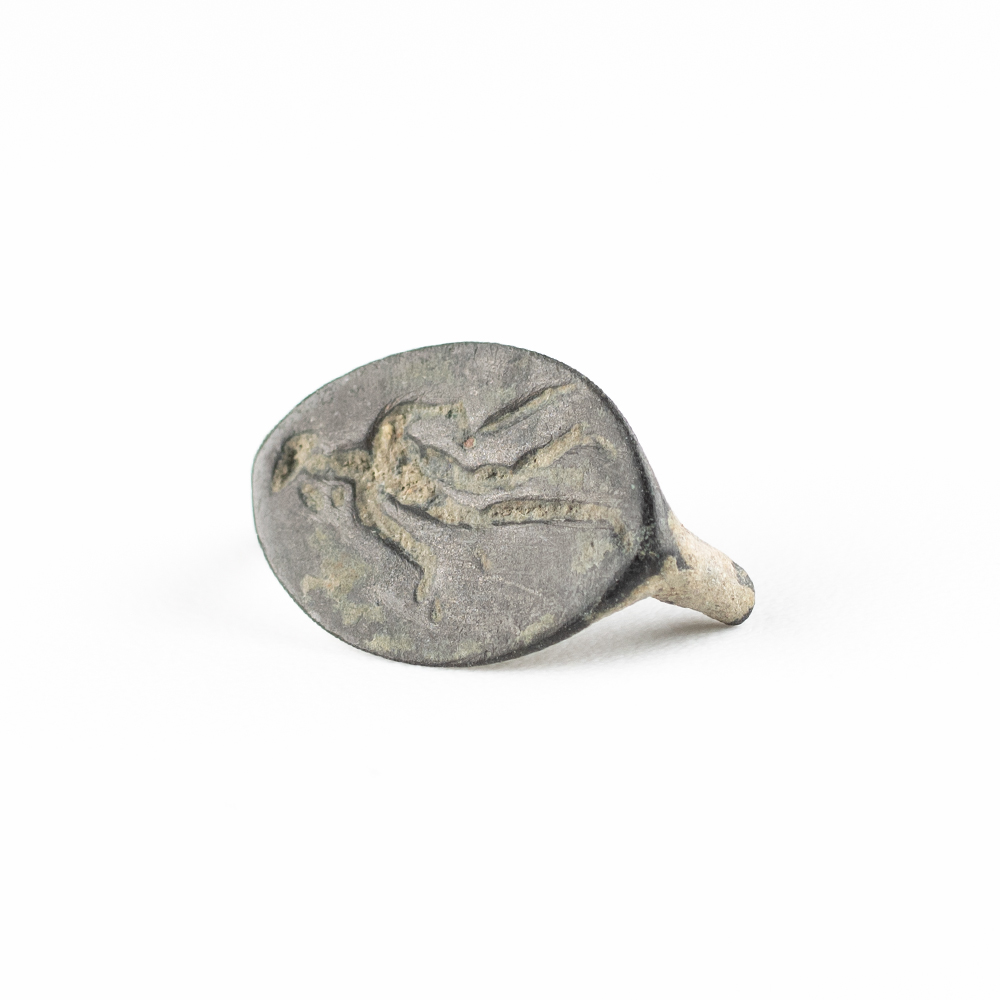
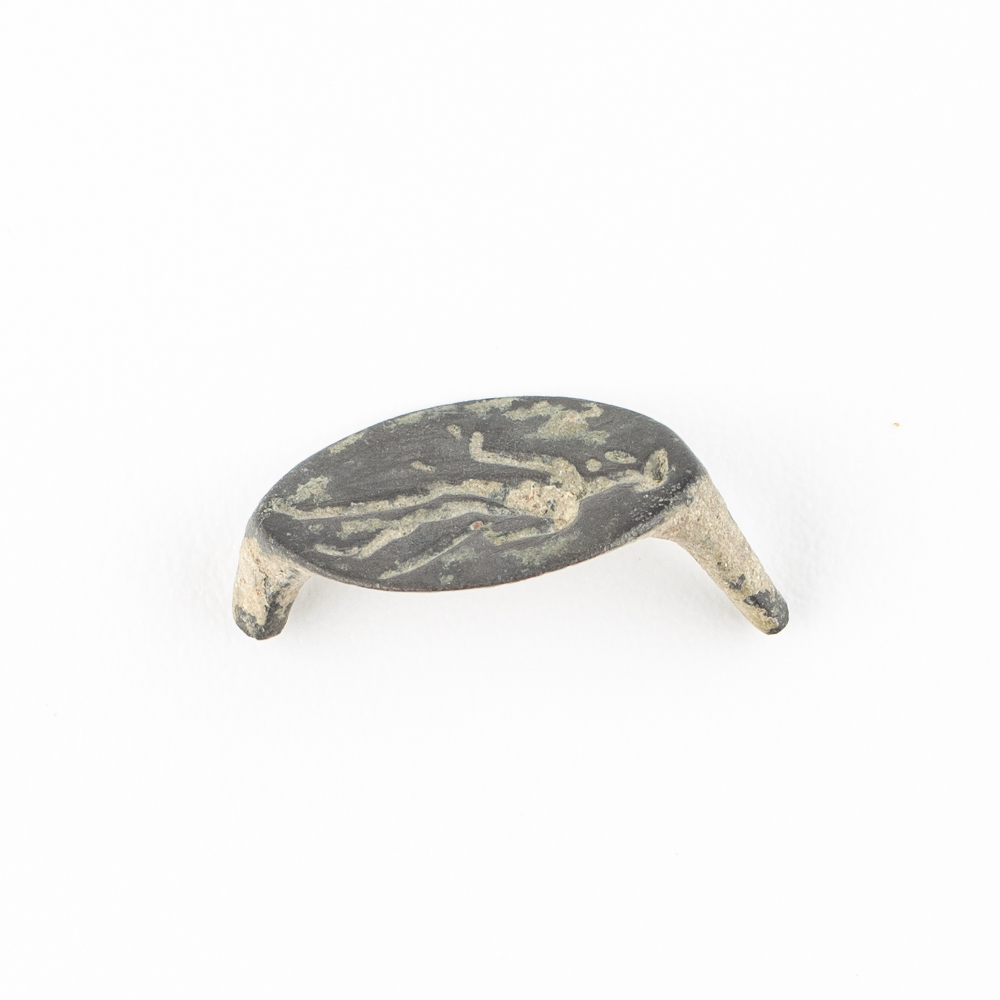
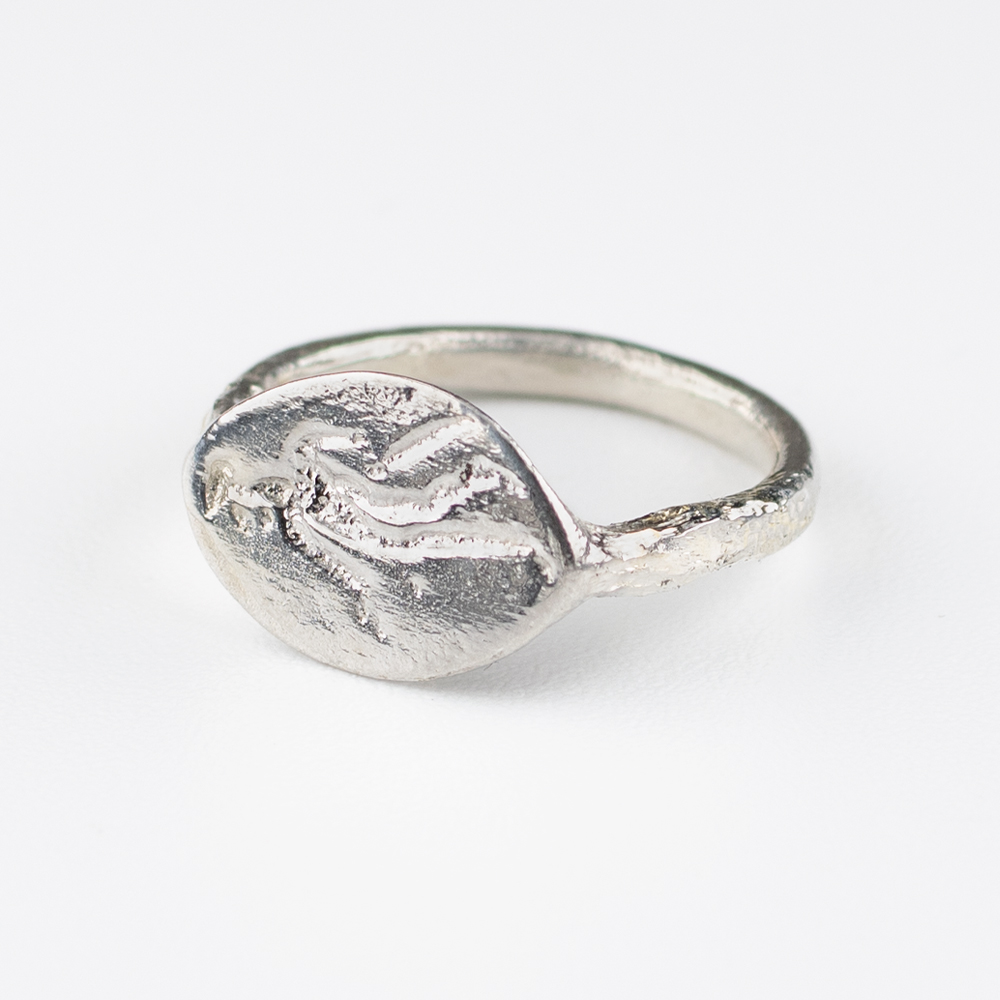
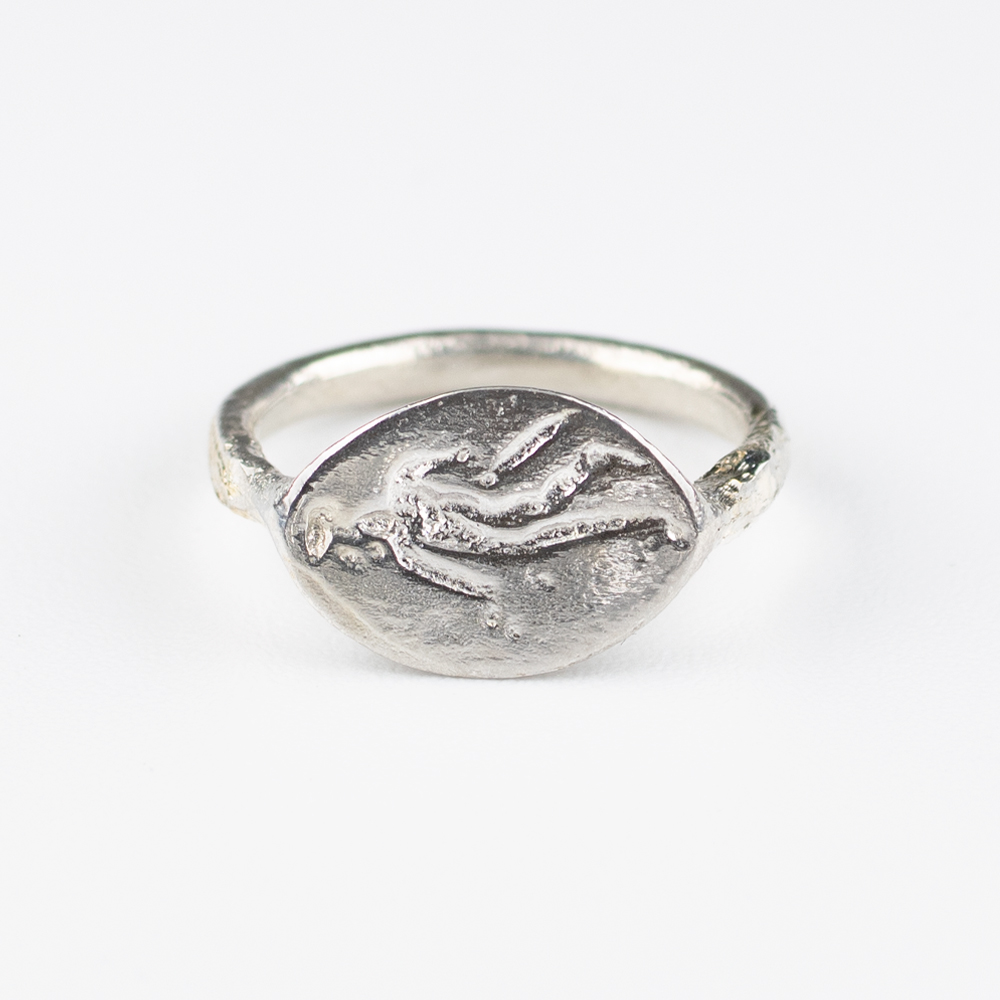
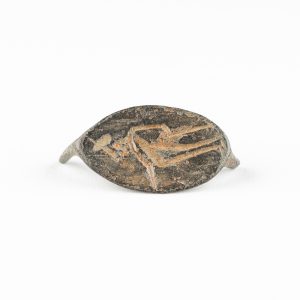
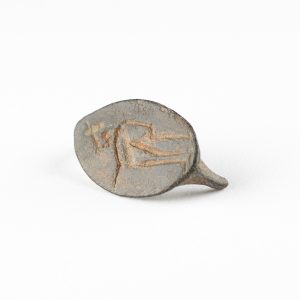
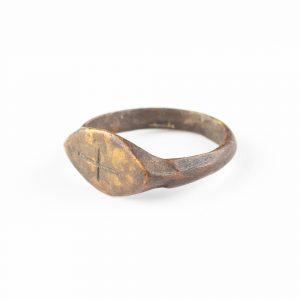
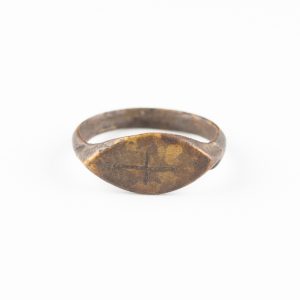
Please note: The first 3 images show the original artefact which isn’t for sale.
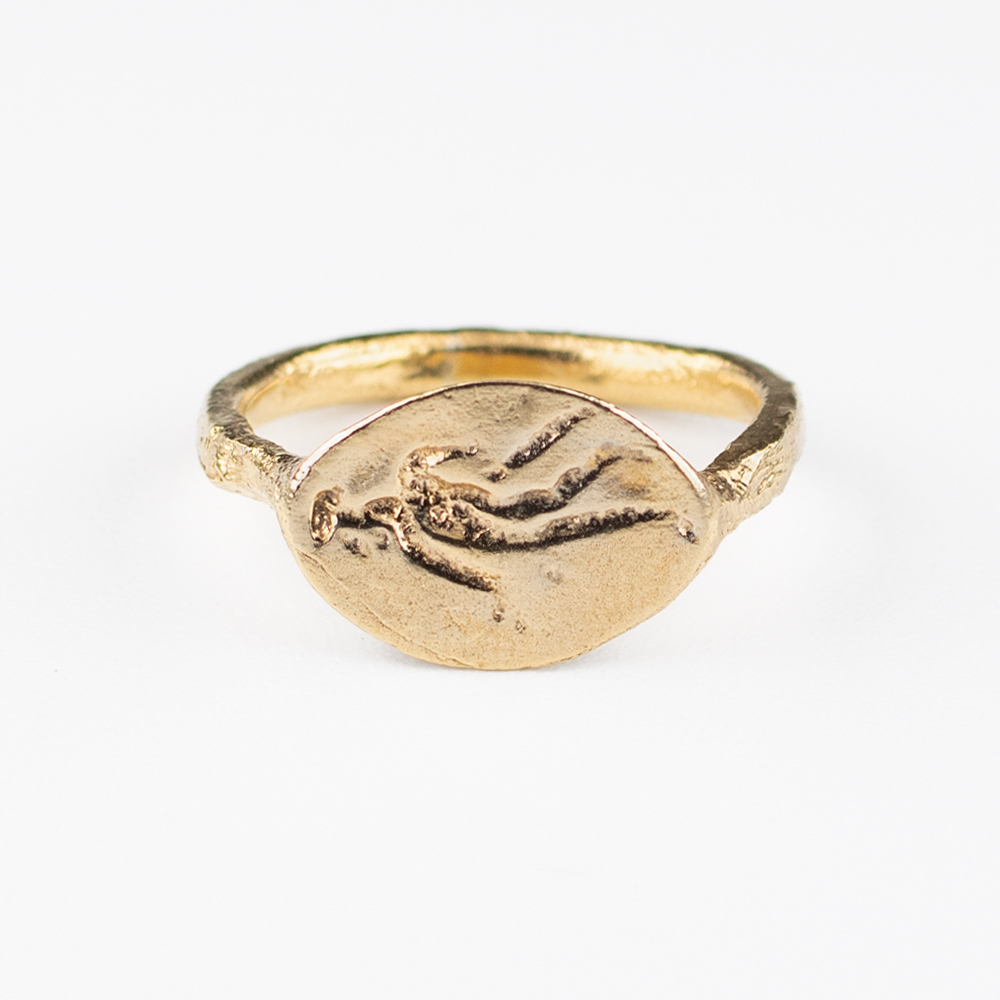
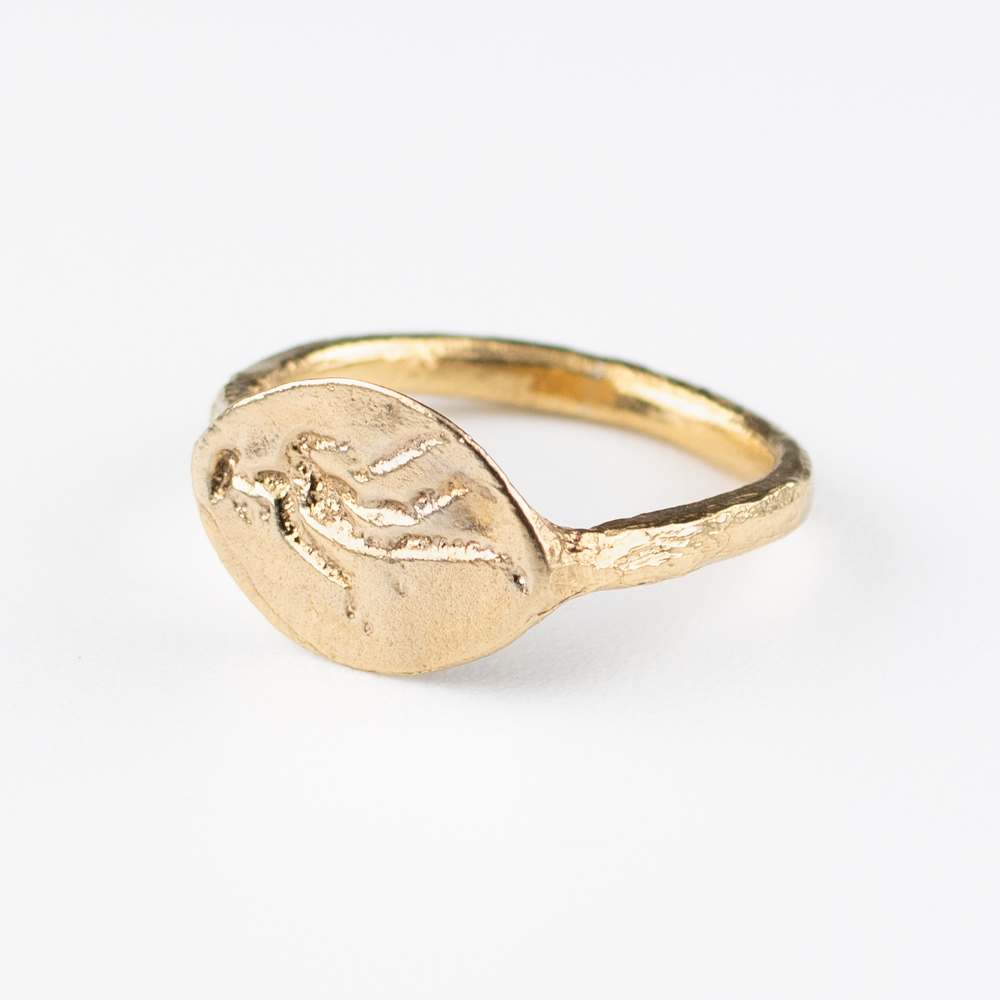
The Casting: This piece is an exact 1:1 cast of the original Sussex find. We have meticulously preserved the ancient figure in the bezel to ensure it remains a functional seal.
The Restoration: As the original was found without its band, we have expertly reconstructed a tapering band based on contemporary 1st-century Roman ring typology to return the piece to its full, wearable glory.
Material: Available in Solid Sterling Silver, 9ct Gold, or 18ct Gold.
Finish: Hand-finished to emphasize the recessed figure while providing a smooth, high-quality band for modern comfort.
Only20 item(s)left in stock!
-
Free shipping on all orders over £100
-
Next Day Delivery Available Shipping & Returns
Guaranteed Checkout

Please note: The first 3 images show the original artefact which isn’t for sale.
Period: 1st – 2nd Century AD (Early Roman Britain)
Original Material: Copper Alloy
Find Location: Sussex, UK
Style: Oval bezel with incised figurative intaglio
Significance of the Design:
- In the Roman world, a seal ring was more than jewellery; it was a legal “signature.” The central figure on this ring is a stylized “Pseudo-Intaglio.” While wealthy Romans used engraved gemstones, the broader population used copper alloy rings with figures cast or hand-cut directly into the metal.
The figure – likely a depiction of a deity, hero, or celestial messenger—was chosen to reflect the wearer’s personal values or to seek divine protection. When pressed into hot wax, this figure created a unique, raised seal that secured letters and verified trade agreements. In Sussex, home to major Roman administrative centres like Chichester (Noviomagus Reginorum), such a ring would have been a common sight in the bustling markets and villas of the South Coast.
The Find:
Discovered by a metal detectorist in the Sussex countryside, this artifact was found as a “headless” bezel, having lost its original band to the stresses of time and soil movement nearly two millennia ago. The surviving oval plate features a wonderfully clear, elongated figure that still retains the sharp, decisive lines of the Roman engraver’s tool.
| Material | Solid Sterling Silver, 9ct Gold, 18ct Gold |
|---|
Related Products
Hot
Hot
Hot
Hot
Recently Viewed Products
Hot
Medieval Stirrup Ring
£75.00Hot
The Scottish Medieval Head
£75.00Hot
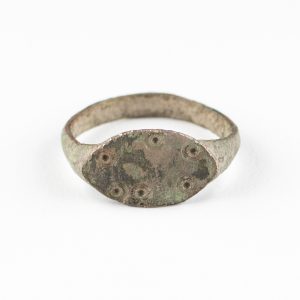
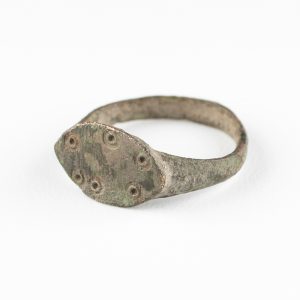
Roman Ring & Dot Signet
£75.00Hot
Hot