The Somerset Celtic Winged Mystery
£75.00
people are viewing this right now
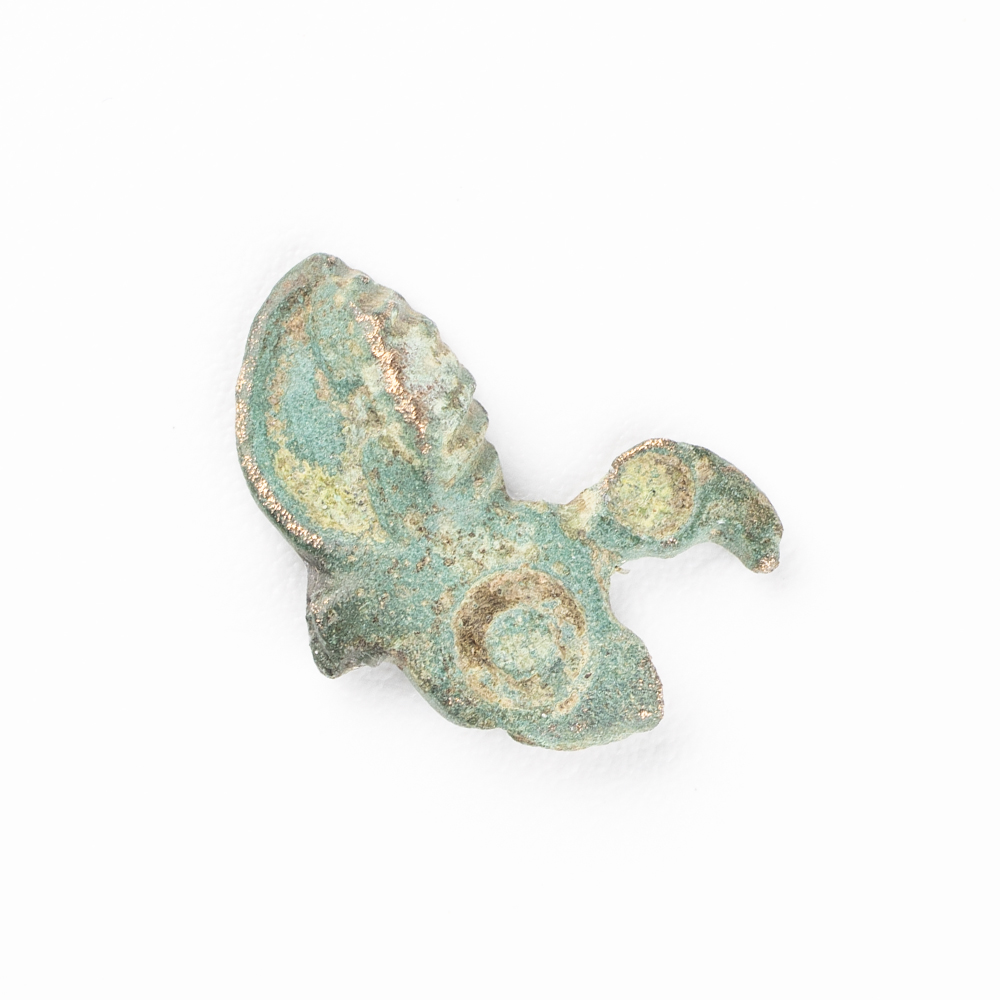
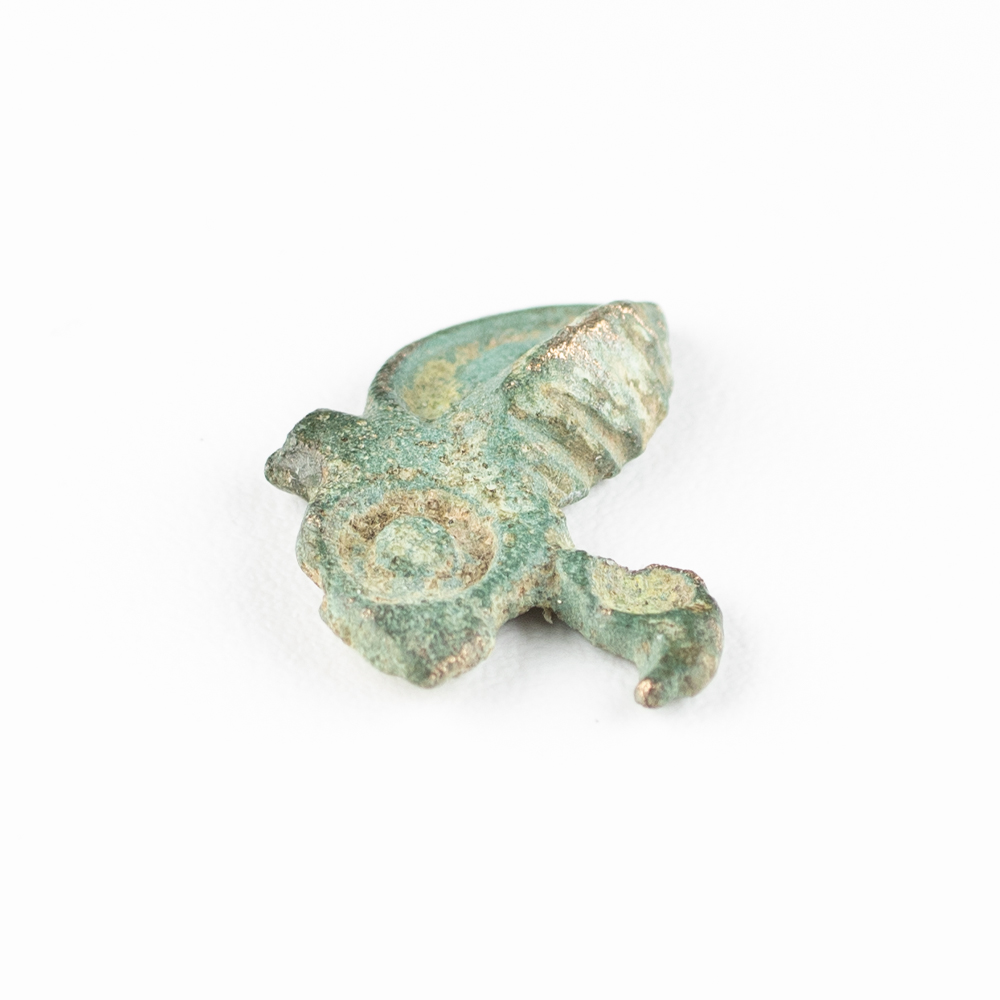
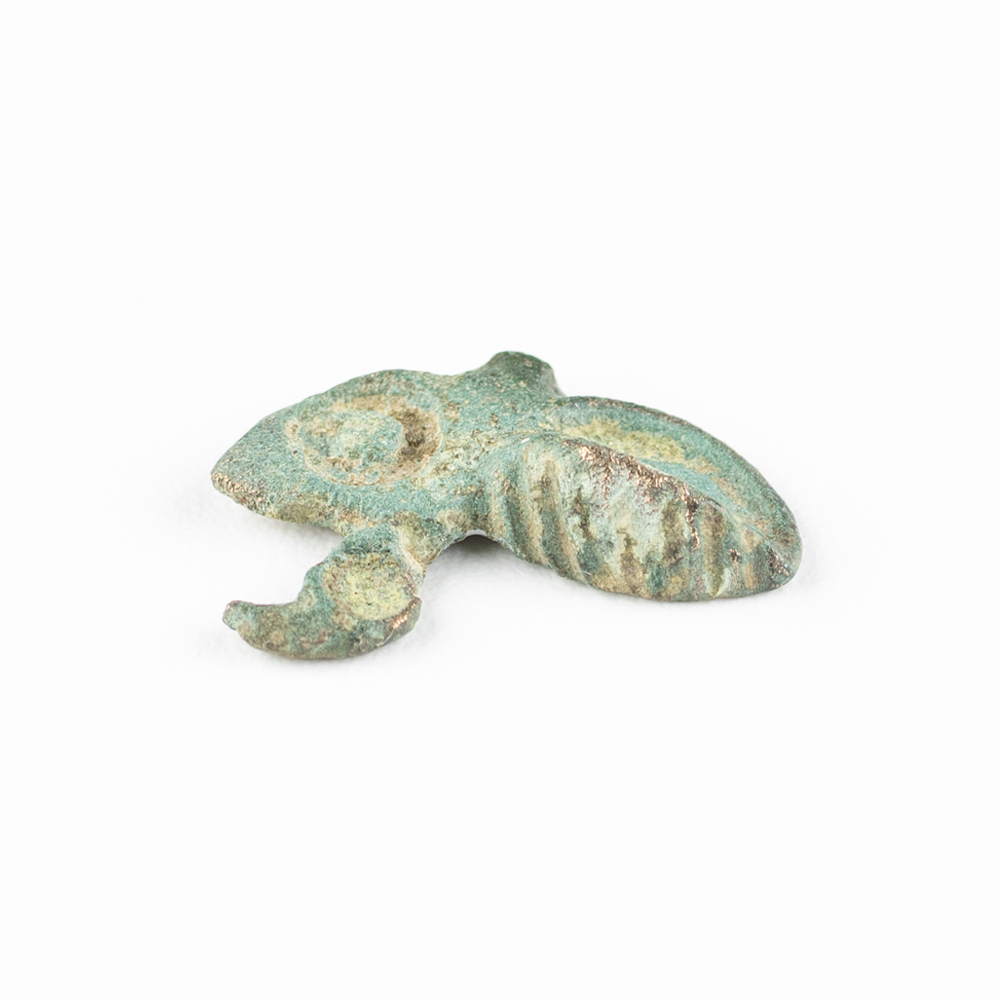
Please note: The first 3 images show the original artefact which isn’t for sale.
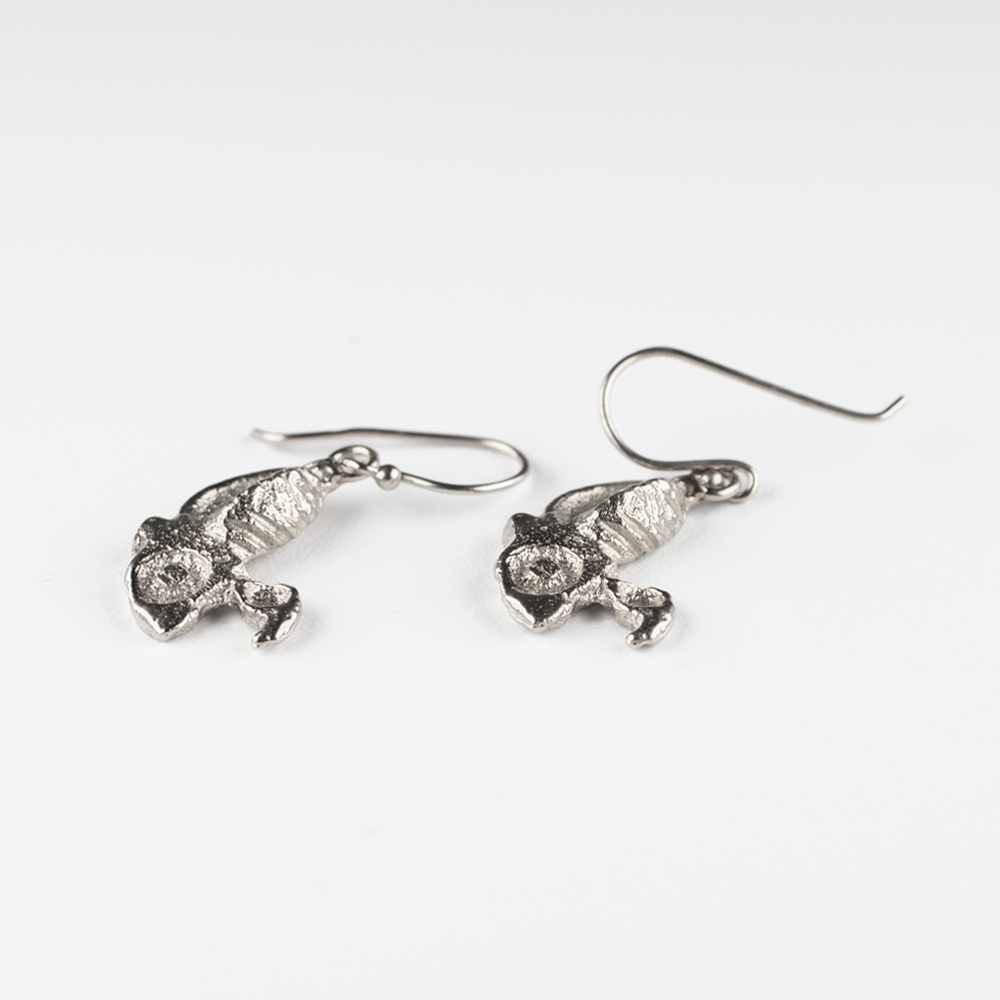
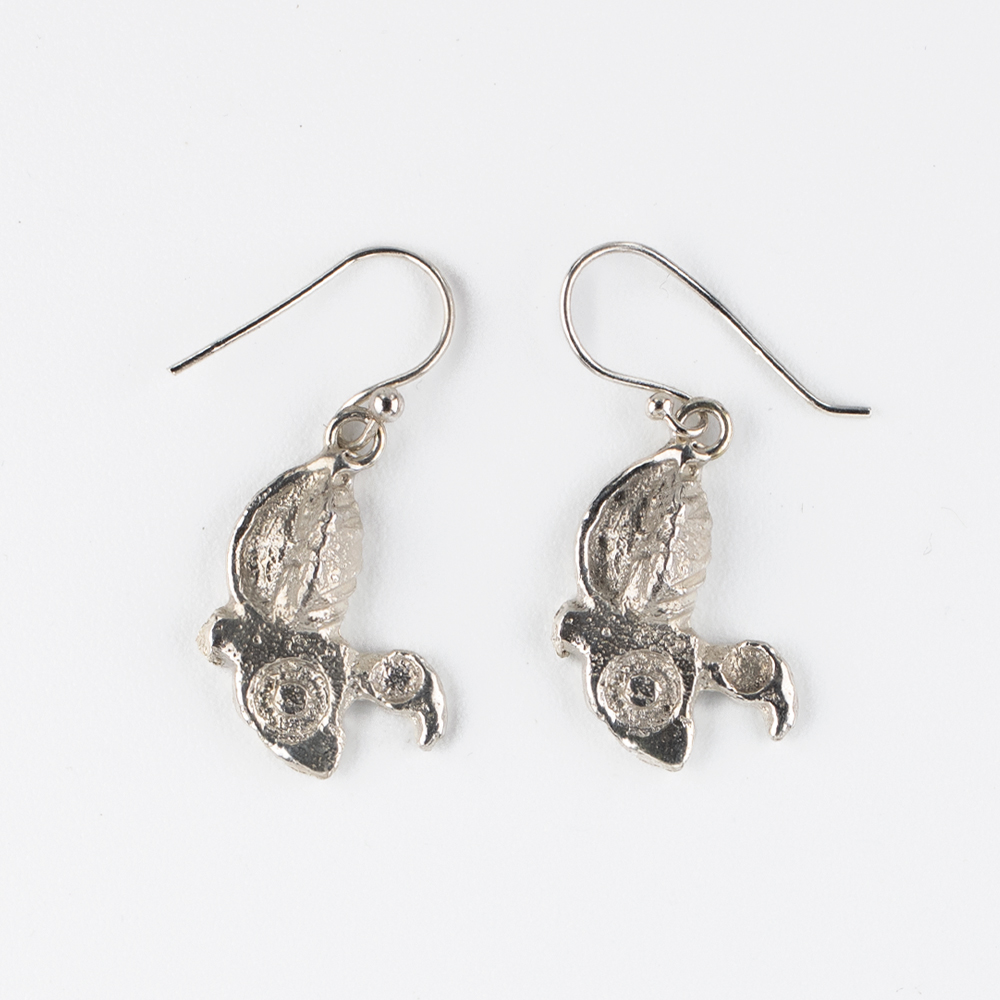
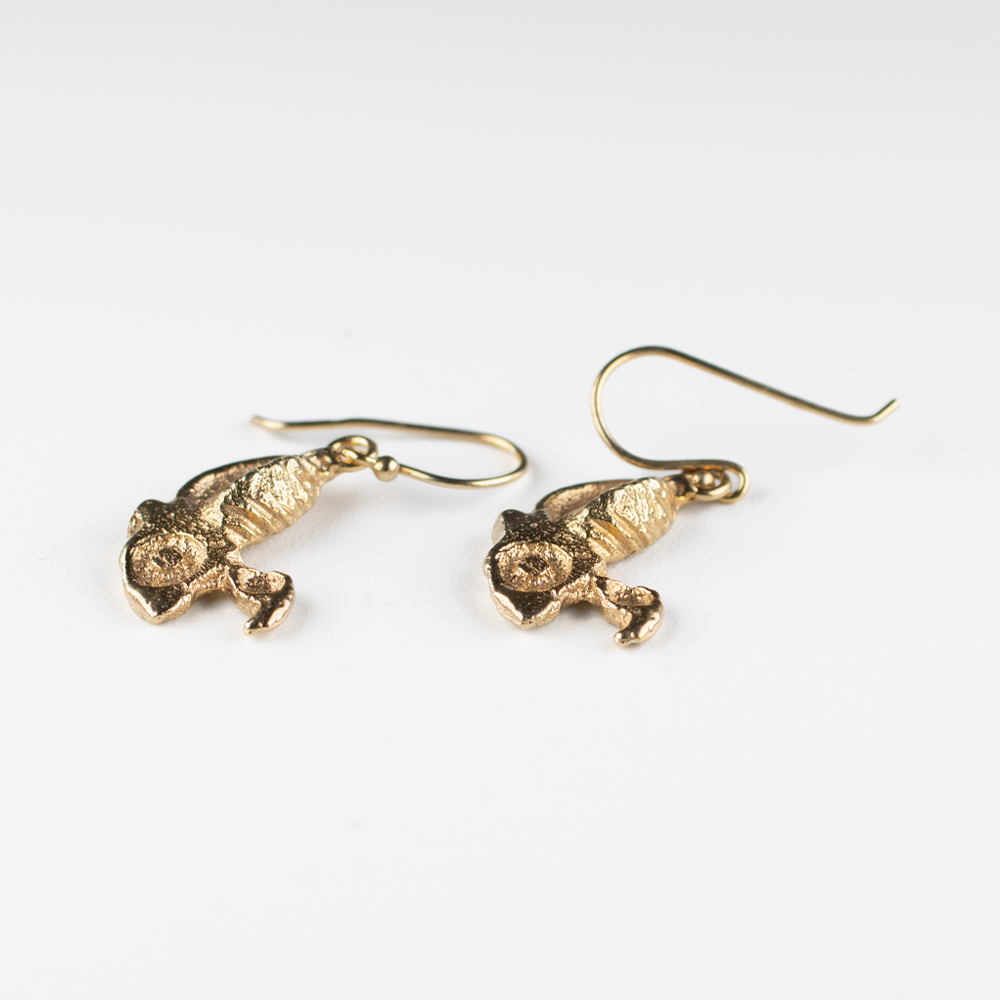
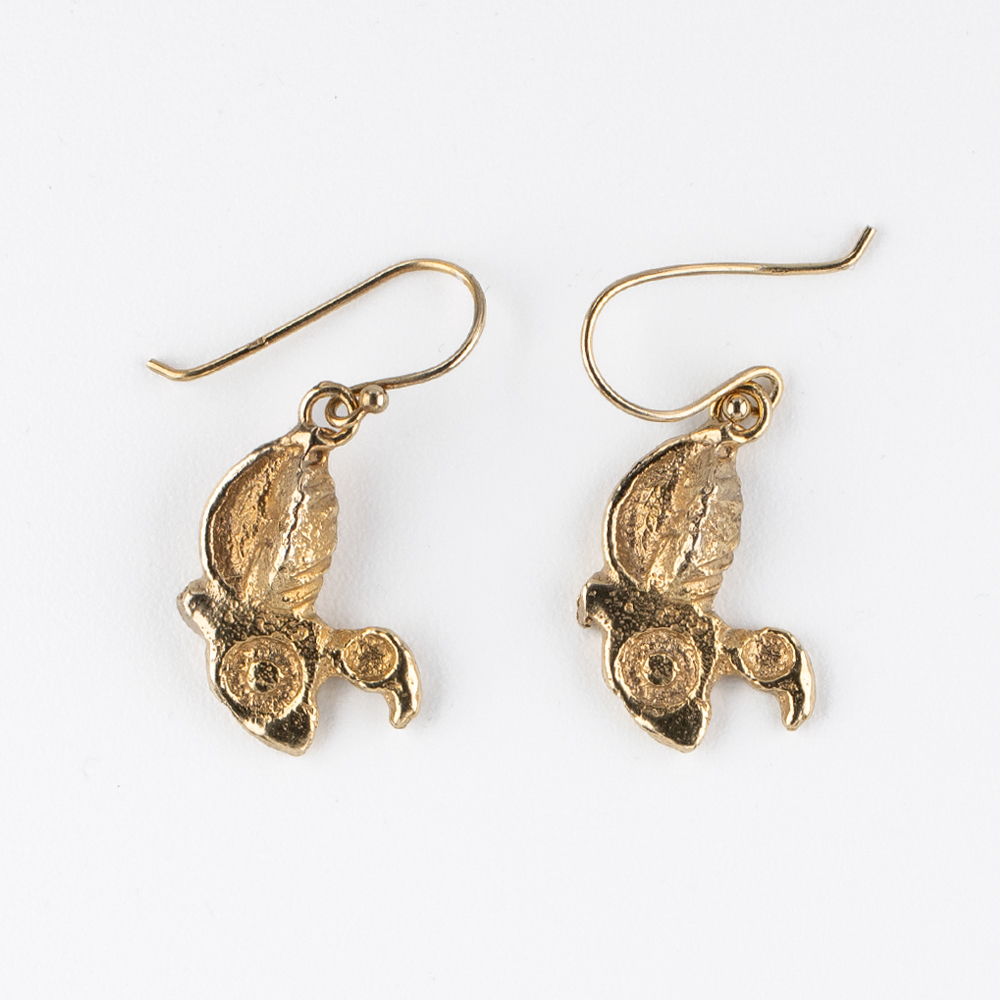
The Casting: This is a faithful 1:1 cast. We have preserved the “unfinished” ancient edges and the asymmetrical beauty of the original fragment, honouring its history as a found treasure.
Material: Available in Solid Sterling Silver, 9ct Gold, or 18ct Gold.
Modern Adaptation: We have adapted this mysterious winged form into a pendant or drop earrings, allowing the fluid energy of Celtic art to be worn once more.
Only20 item(s)left in stock!
-
Free shipping on all orders over £100
-
Next Day Delivery Available Shipping & Returns
Guaranteed Checkout

Please note: The first 3 images show the original artefact which isn’t for sale.
Period: 14th – 15th Century (Late Medieval)
Original Material: Copper Alloy
Find Location: Somerset, UK
Style: Zoomorphic (animal-form) openwork
Significance of the Design:
- This piece features the flowing, curvilinear lines that define the La Tène art style. The design is “zoomorphic,” appearing to represent a highly stylized bird or a winged creature in flight. In Celtic mythology, birds – particularly water birds or birds of prey – were seen as messengers between the physical world and the spirit realm.
The presence of the open-work circle (or “eye”) is a significant design choice. This motif was often used to provide a point of suspension or to allow a contrasting material, like brightly coloured enamel or coral, to be set into the metal. While the piece’s exact use is debated, its shape and size suggest it may have been a high-status chariot fitting, a decorative mount for a leather harness, or a fragment of a larger, ceremonial vessel. In the watery landscape of Iron Age Somerset, such a creature would have served as a powerful talisman for protection and safe passage.
The Find:
Discovered by a detectorist in Somerset, this artifact likely belonged to the Durotriges or Dobunni tribes. The original fragment survives with a beautiful “Ceadar-green” patina, and the remnants of the casting seams show the “lost wax” technique used by Celtic smiths to create such complex, three-dimensional shapes. The wear on the internal edges suggests it was once part of a moving assembly, perhaps rattling musically as its owner travelled.
| Material | Solid Sterling Silver, 9ct Gold, 18ct Gold |
|---|
Related Products
Hot
The Scottish Medieval Head
£75.00Recently Viewed Products
Hot
Medieval Stirrup Ring
£75.00Hot
The Scottish Medieval Head
£75.00Hot
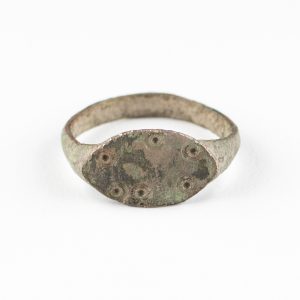
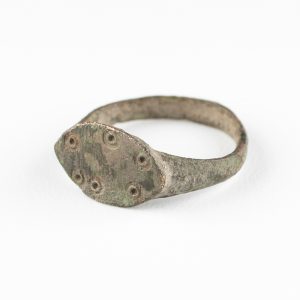
Roman Ring & Dot Signet
£75.00Hot
Hot