

The Durham Viking Twisted Arm-Ring
£75.00
people are viewing this right now
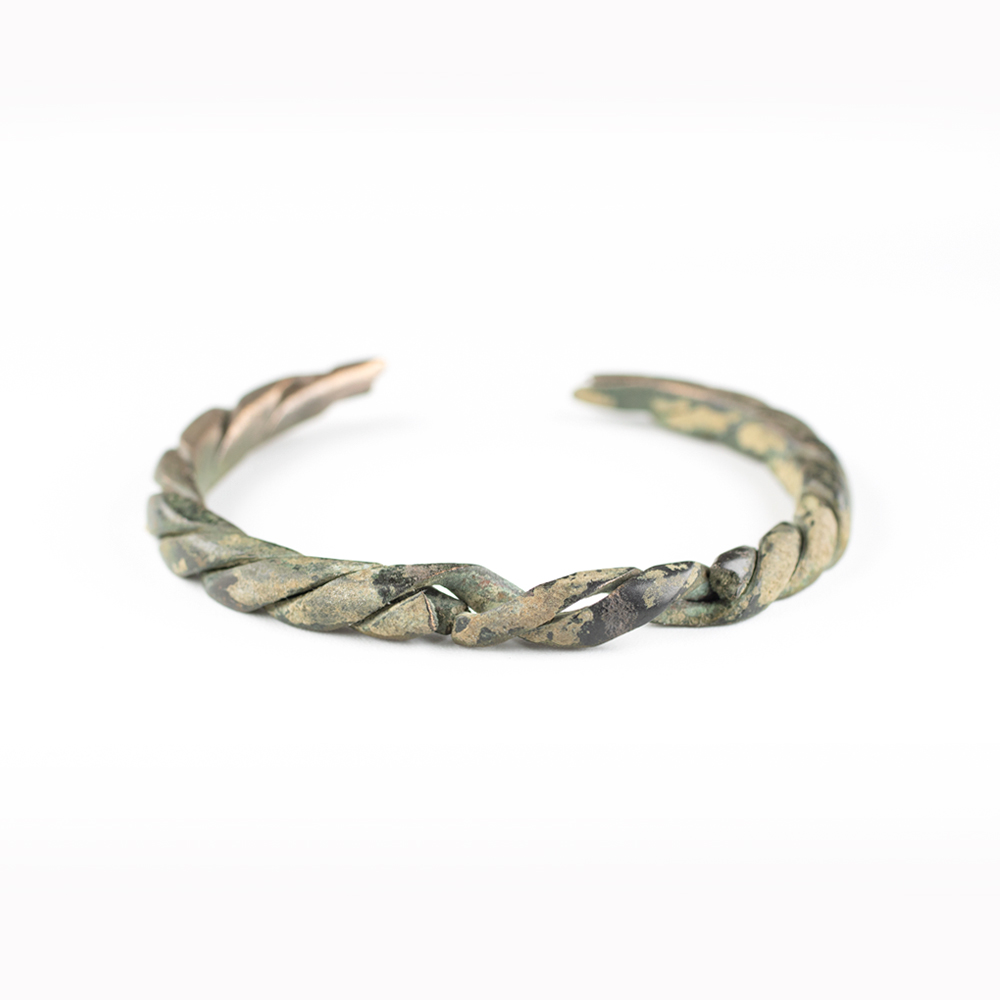
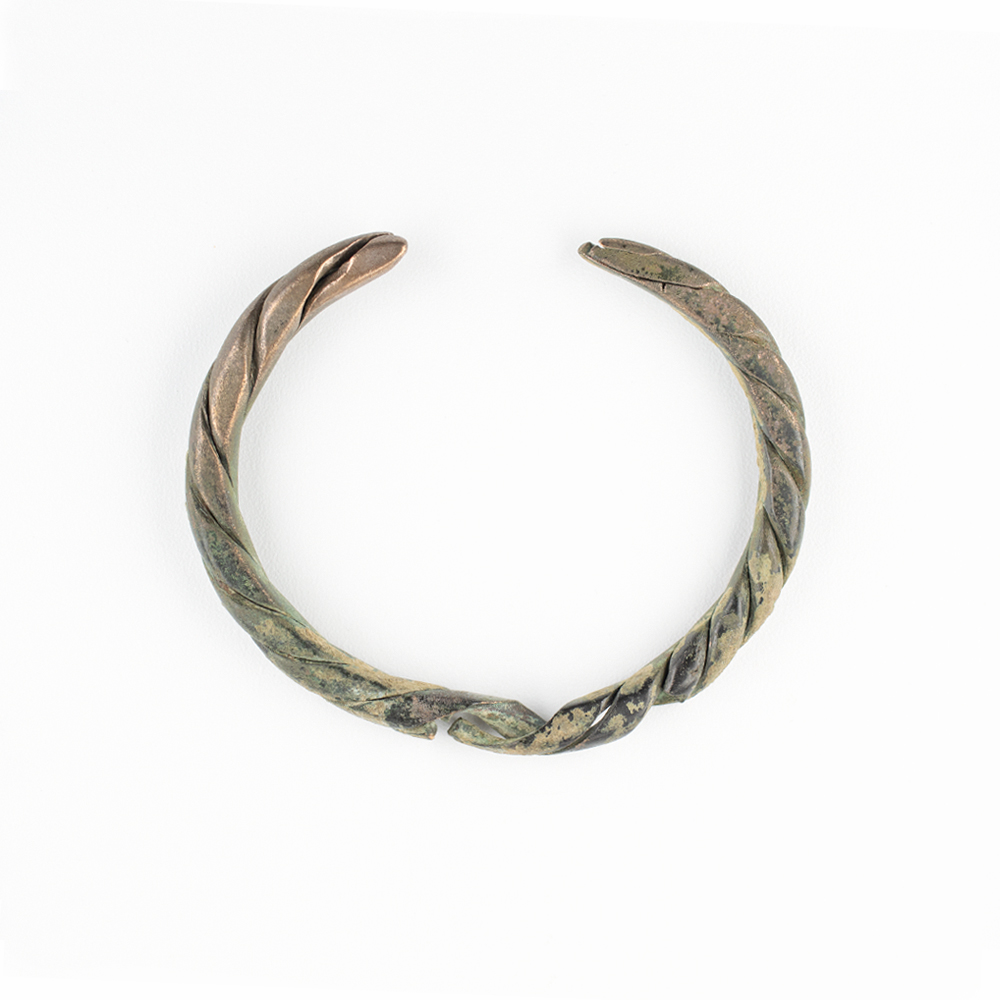
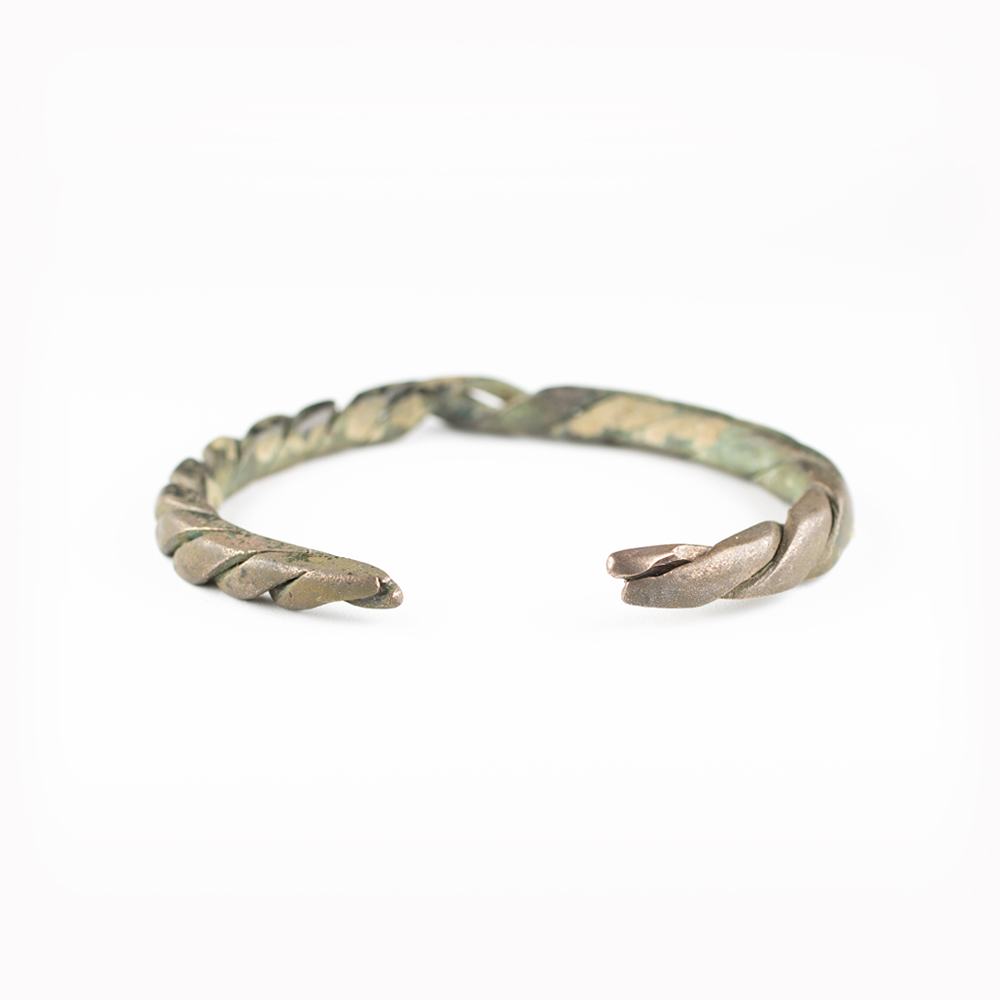
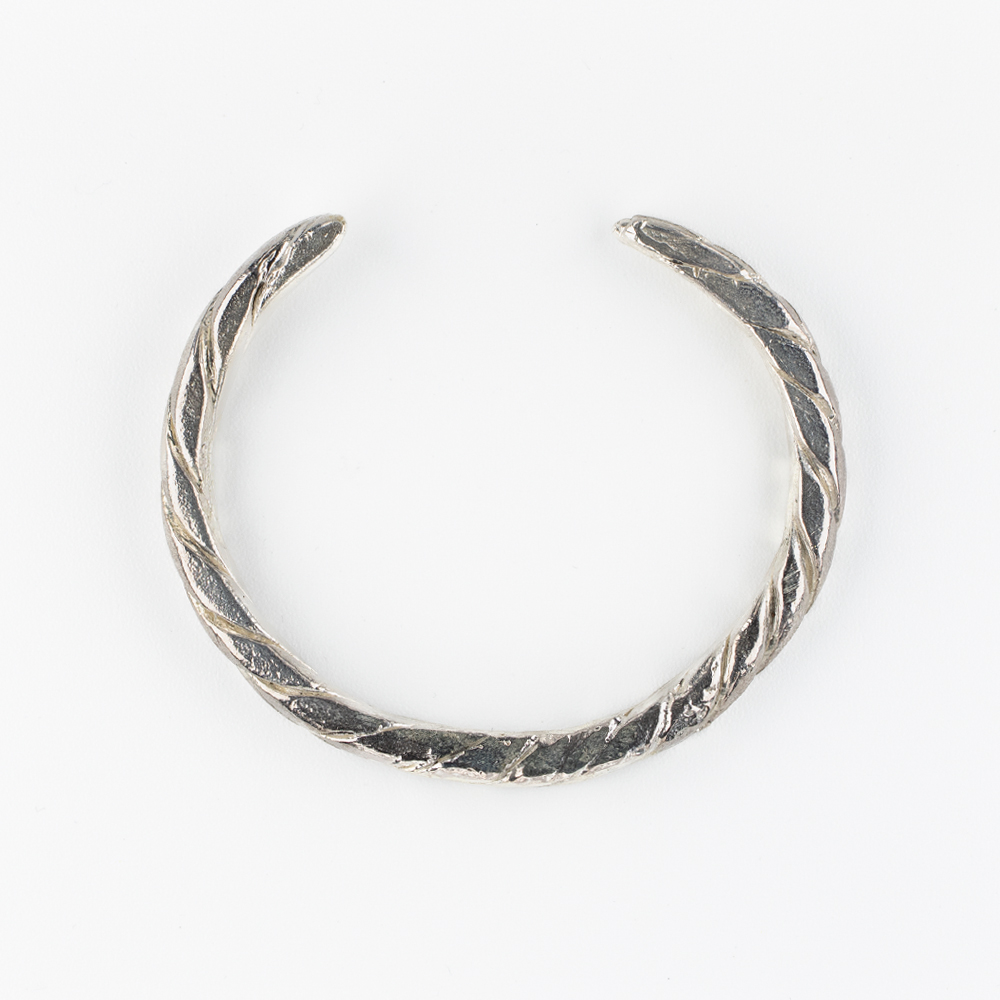
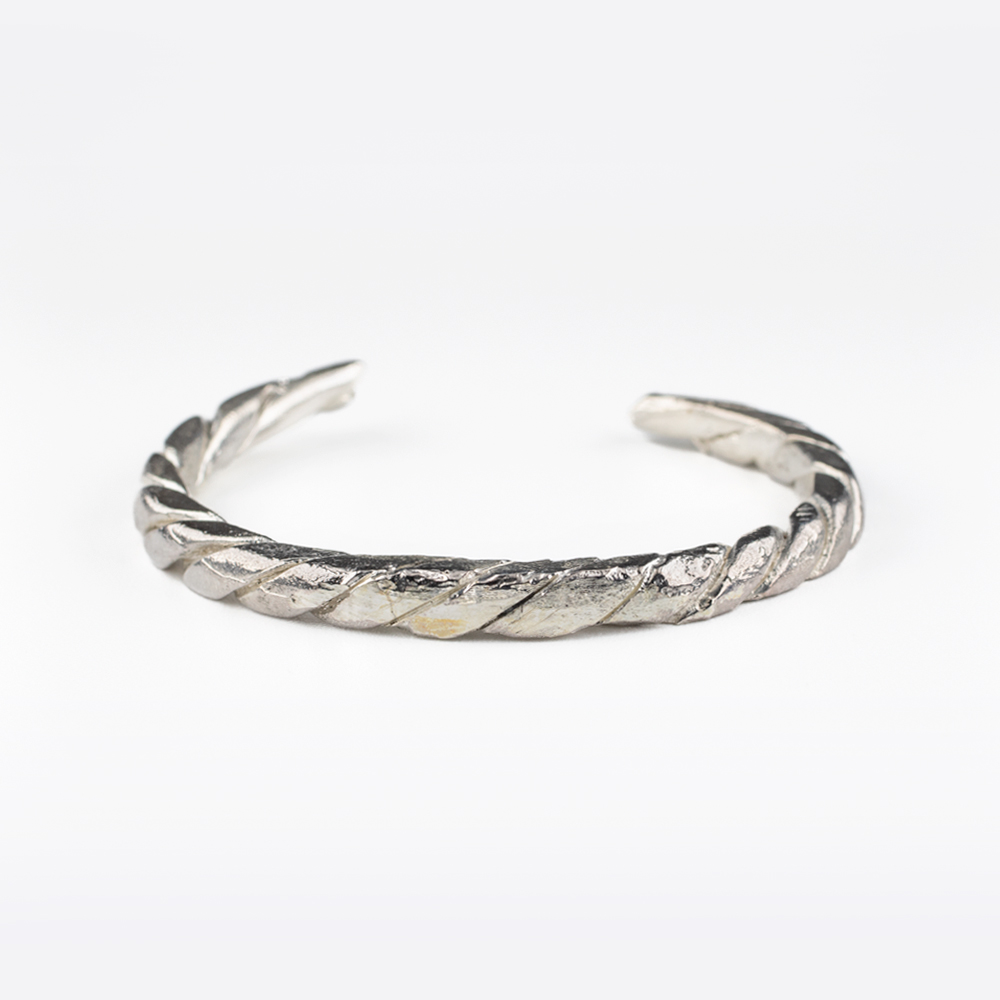
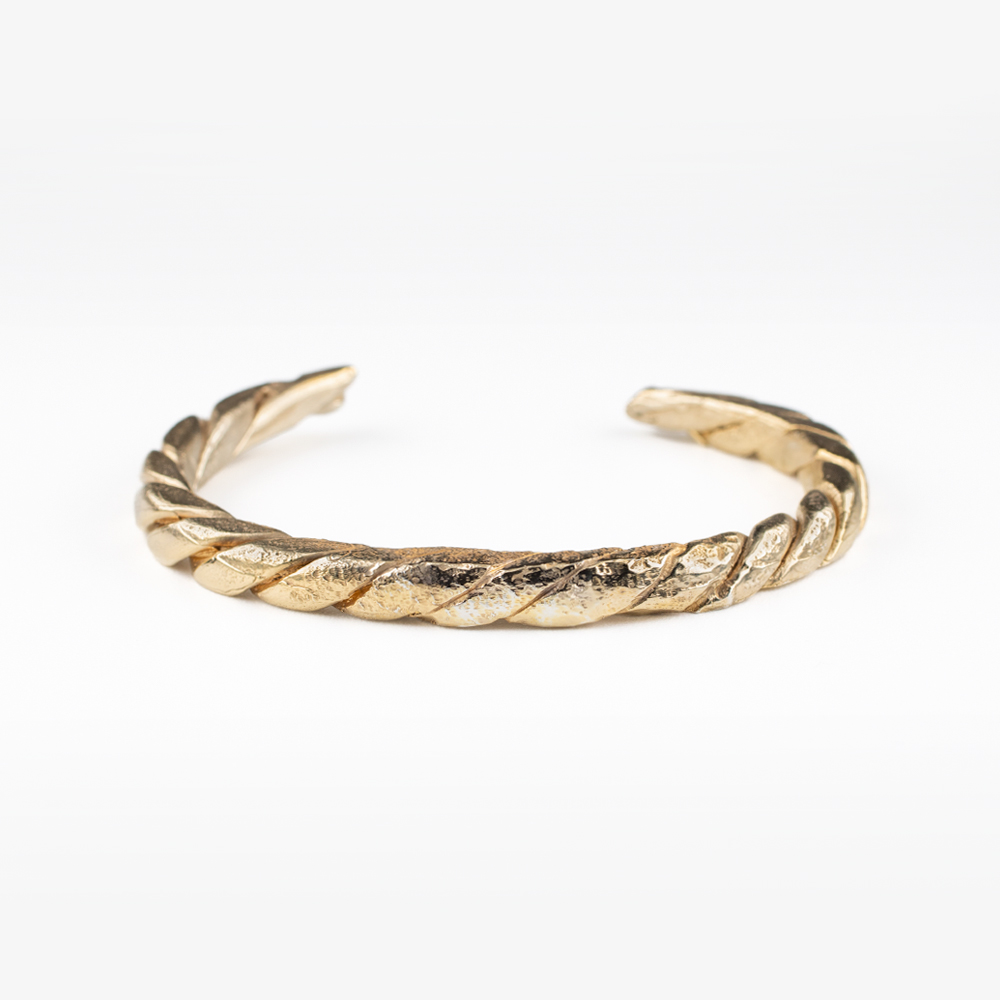
Please note: The first 3 images show the original artefact which isn’t for sale.
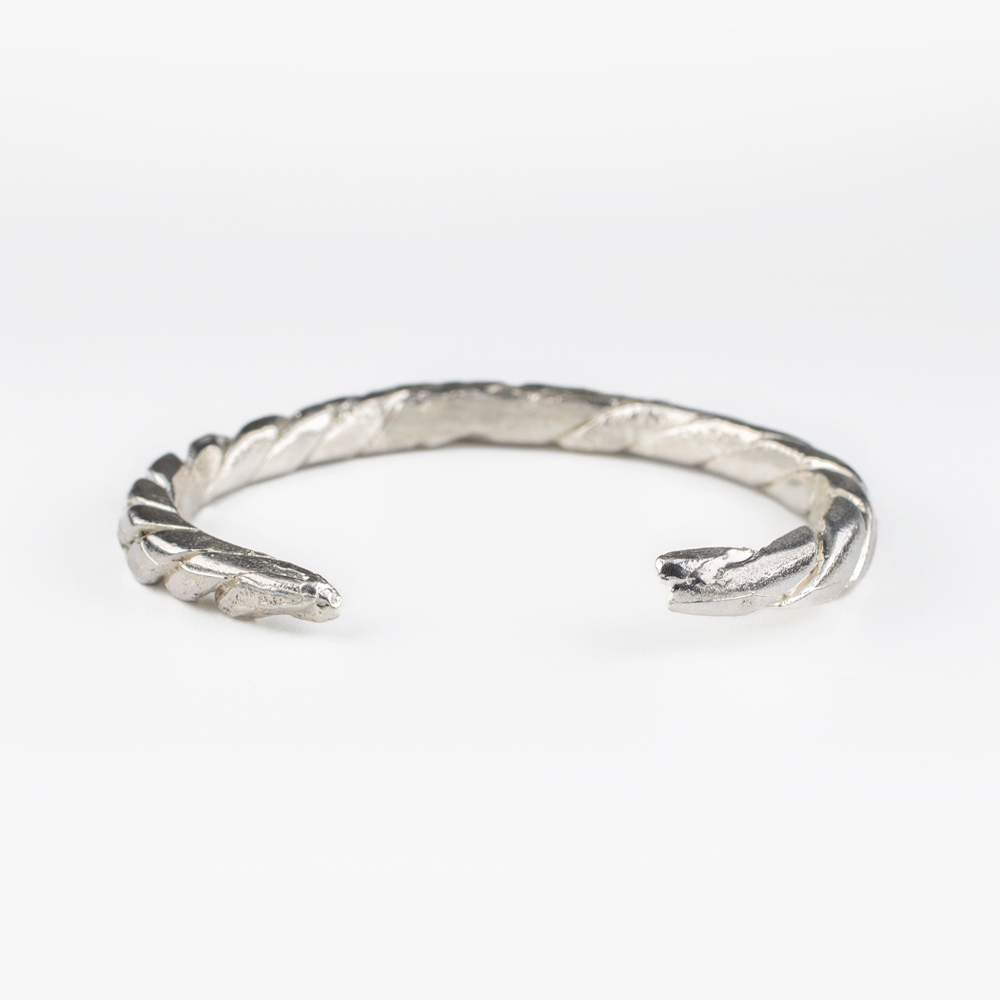
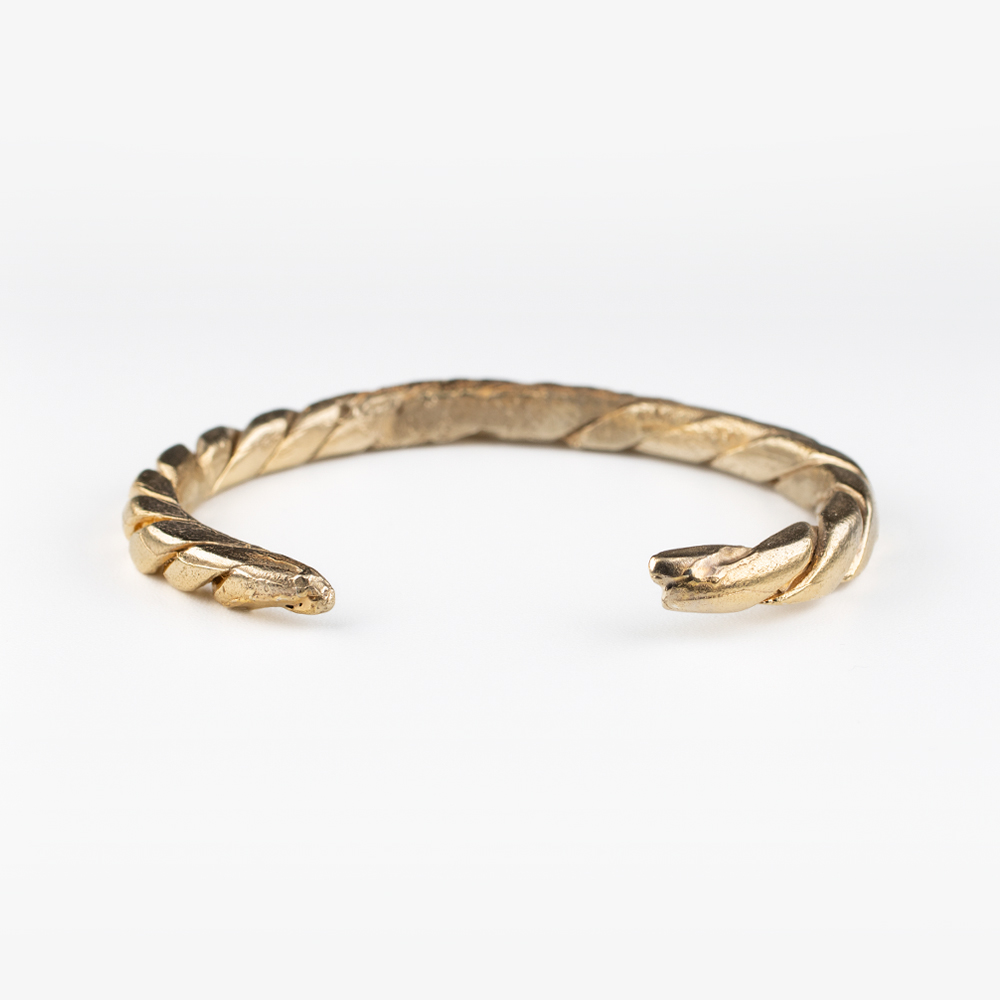
The Restoration: While the original was found in a fragmented state, our master goldsmiths have meticulously reconstructed the missing sections. The replica casting features fully restored twisted rods and symmetrical terminals, returning the piece to its original, unbroken glory.
The Casting: This is a 1:1 scale reconstruction. It maintains the massive, tactile presence of the original Durham find while ensuring structural integrity for modern wear.
Material: Available in Solid Sterling Silver, 9ct Gold, or 18ct Gold.
Finish: Hand-polished to a deep, regal luster that highlights the complex “braided” texture of the twisted bronze rods.
Only20 item(s)left in stock!
-
Free shipping on all orders over £100
-
Next Day Delivery Available Shipping & Returns
Guaranteed Checkout

Please note: The first 3 images show the original artefact which isn’t for sale.
Period: 9th – 11th Century AD (Viking Age)
Original Material: Copper Alloy (Bronze)
Find Location: County Durham, UK
Style: Heavy twisted-rod penannular bangle
Significance of the Design:
-
In Viking society, arm-rings were far more than simple decoration. They were “Oath Rings,” used in legal and religious ceremonies to bind a warrior to their chieftain. They also served as a portable form of wealth; a Viking could literally cut a piece of silver or bronze from their jewellery to pay for goods, a practice known as “hack-gold” or “hack-silver.”The twisted-rod construction is the quintessential Norse aesthetic. By twisting multiple thick rods of bronze together, the smith created a piece that was significantly stronger than a solid band while providing a rhythmic, shimmering surface that caught the light of a longhouse fire. The heavy weight and substantial gauge of this bangle identify it as a “status piece,” likely worn by a person of significant military or mercantile standing in the Danelaw.
The Find:
Discovered by a metal detectorist in County Durham, the original artifact shows the rugged “battle scars” of a thousand years in the earth. The twisted rods have partially separated in places due to ancient stress and soil movement, and the terminals (ends) show significant wear. Despite this, the core craftsmanship remains visible, showcasing the incredible tension and balance achieved by the original Viking metalworker.
| Material | Solid Sterling Silver, 9ct Gold, 18ct Gold |
|---|
Related Products
Hot

Recently Viewed Products
Hot
Medieval Stirrup Ring
£75.00Hot
The Scottish Medieval Head
£75.00Hot
Roman Ring & Dot Signet
£75.00Hot
Hot
