

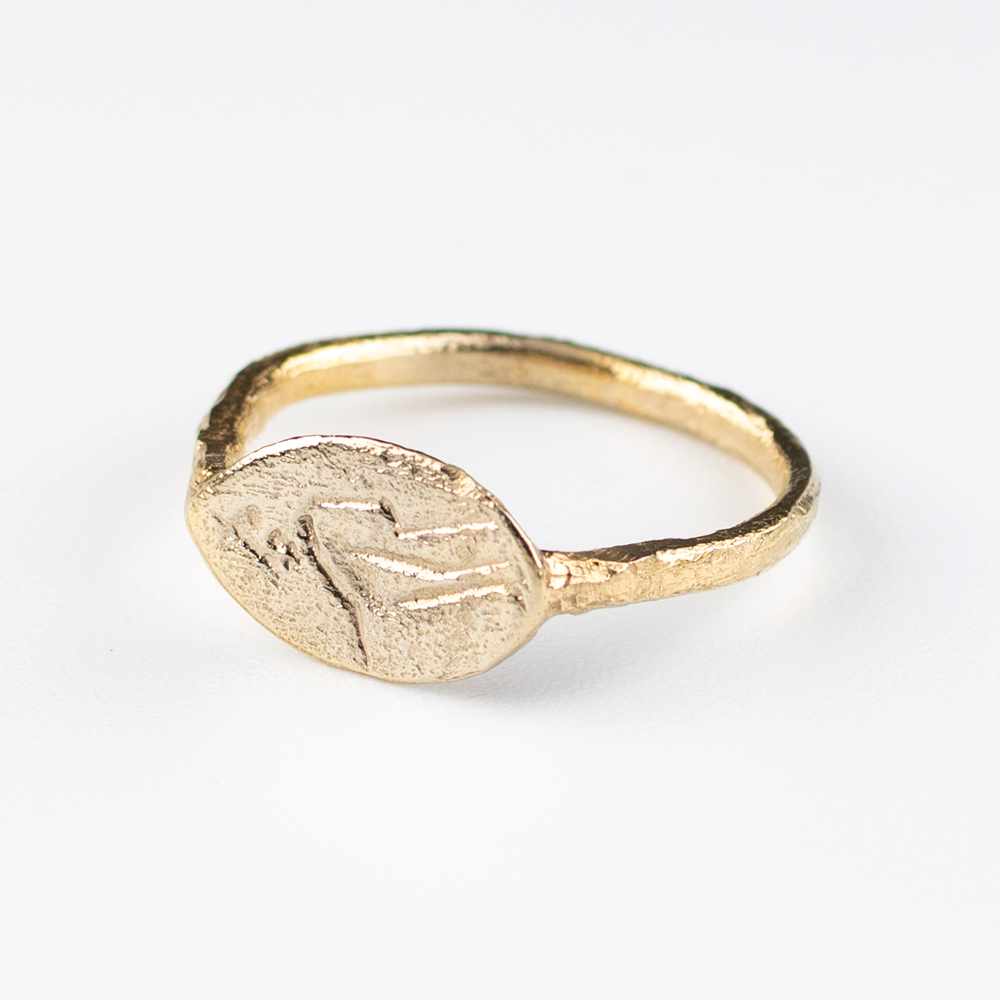
The East Yorkshire Roman Seal Ring
£75.00
people are viewing this right now
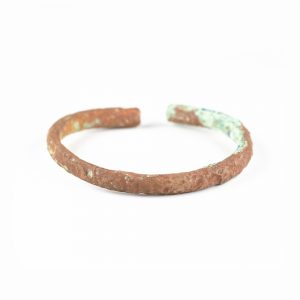
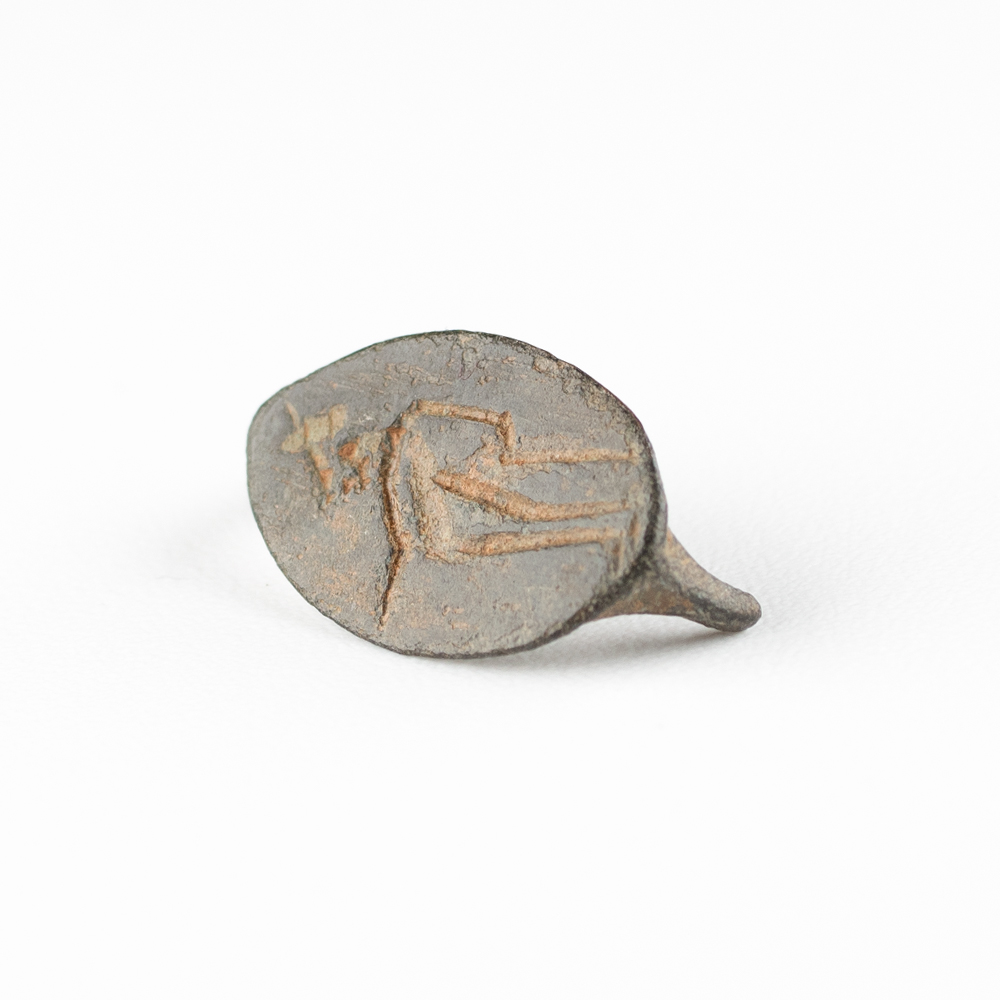
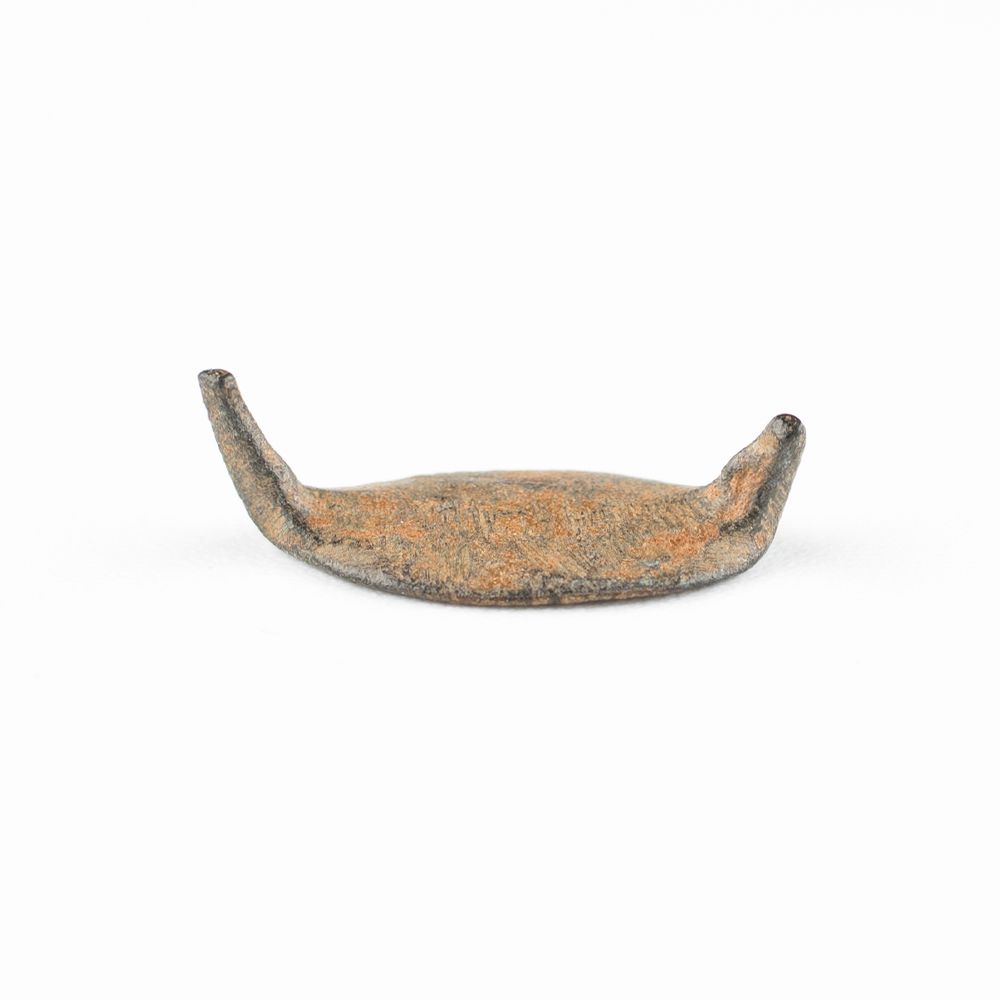
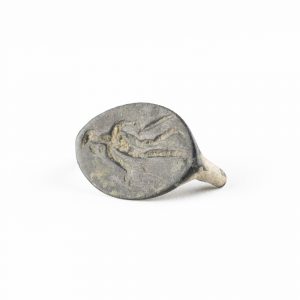
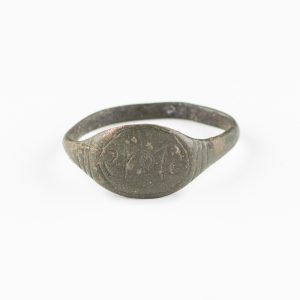
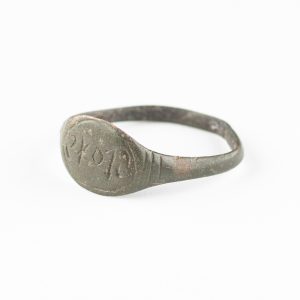
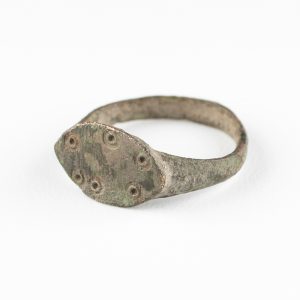
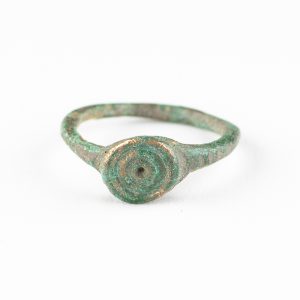
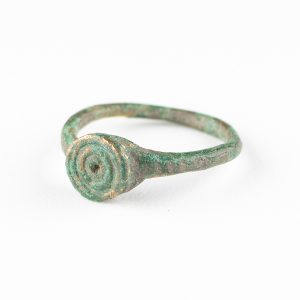
Please note: The first 3 images show the original artefact which isn’t for sale.
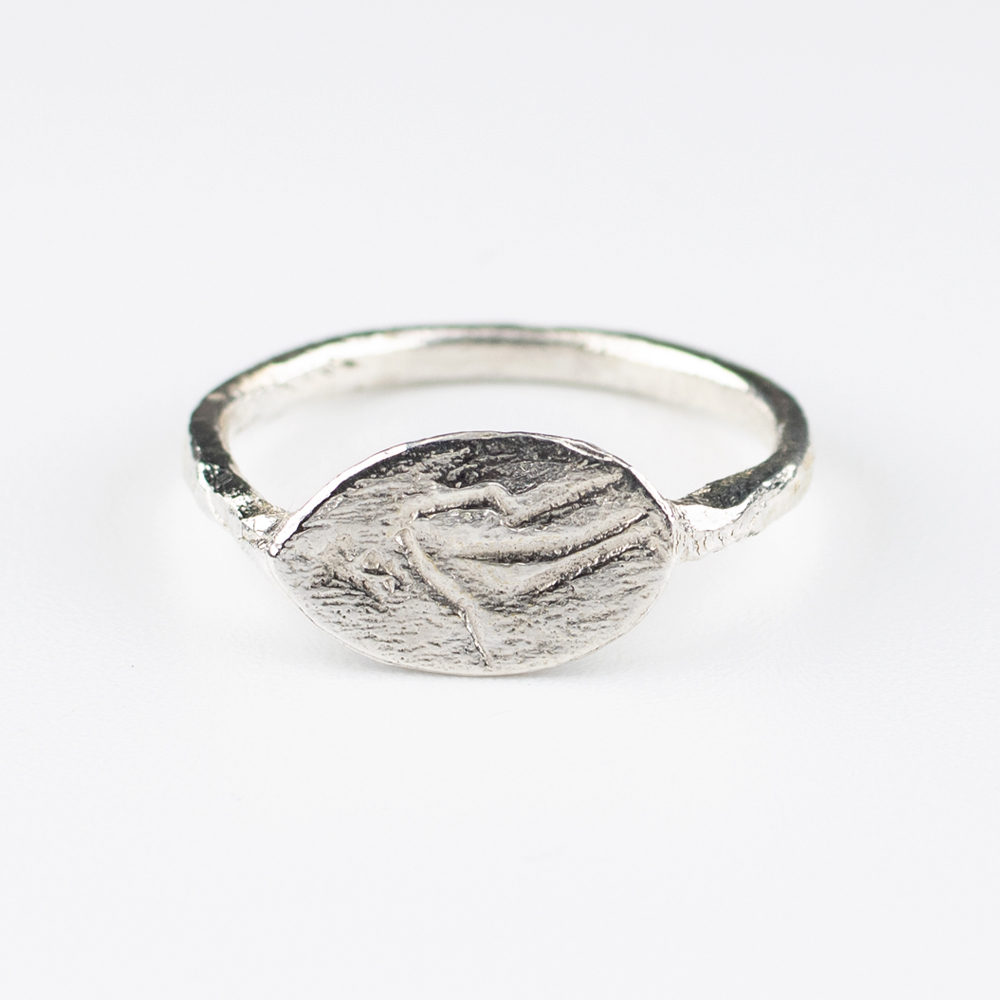
The Casting: This is an exact 1:1 cast. We have taken great care to ensure the central figure remains clear and recognizable, preserving the “hand-drawn” quality of the Roman original.
Material: Available in Solid Sterling Silver, 9ct Gold, or 18ct Gold.
Finish: The bezel is hand-burnished to highlight the recessed figure, allowing you to use the ring as a functional seal just as its original owner did in the 2nd century.
Only20 item(s)left in stock!
-
Free shipping on all orders over £100
-
Next Day Delivery Available Shipping & Returns
Guaranteed Checkout

Please note: The first 3 images show the original artefact which isn’t for sale.
Period: Iron Age (c. 300 BC – 50 AD)
Original Material: Copper Alloy
Find Location: East Yorkshire, UK
Style: Oval bezel with an incised “intaglio” figure
Significance of the Design:
- This ring is a “pseudo-intaglio,” a style created to mimic the expensive engraved gemstones (intaglios) worn by Roman officials and the military elite. Instead of a carved stone, the image is cast or engraved directly into the copper alloy of the ring itself.
The bezel features a stylized, elongated figure – likely representing a Roman deity or a victorious athlete. In the 1st and 2nd centuries, such imagery was deeply symbolic; it was believed that wearing the likeness of a god like Mars (Victory) or Mercury (Commerce) would bring the wearer their specific protection and favour. These rings served a dual purpose: they were beautiful personal adornments and functional tools used to press a unique “signature” into hot wax to seal private letters or business contracts.
The Find:
Discovered by a detectorist in East Yorkshire, the ring shows a dark, stable patina that has preserved the central figure for nearly 2,000 years. The tapering “shoulders” of the band are characteristic of early Roman ring typology. Its presence in East Yorkshire highlights how quickly Roman culture and the legal importance of “the seal” spread from the military hubs into the surrounding British countryside.
| Material | Solid Sterling Silver, 9ct Gold, 18ct Gold |
|---|
Related Products
Recently Viewed Products
Hot
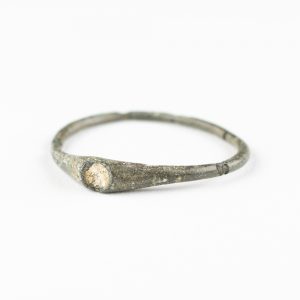
Medieval Stirrup Ring
£75.00Hot
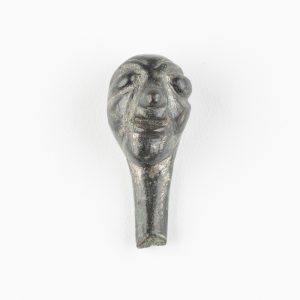
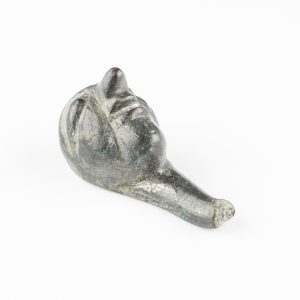
The Scottish Medieval Head
£75.00Hot
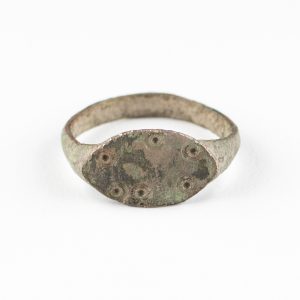
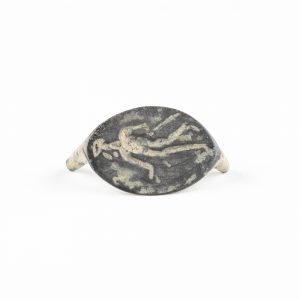
Roman Ring & Dot Signet
£75.00Hot
Hot