The Northumberland Celtic Currency Ring
£75.00
people are viewing this right now
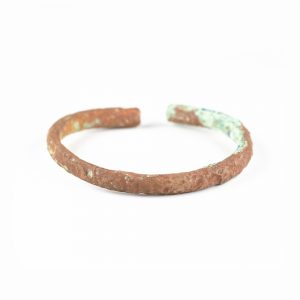
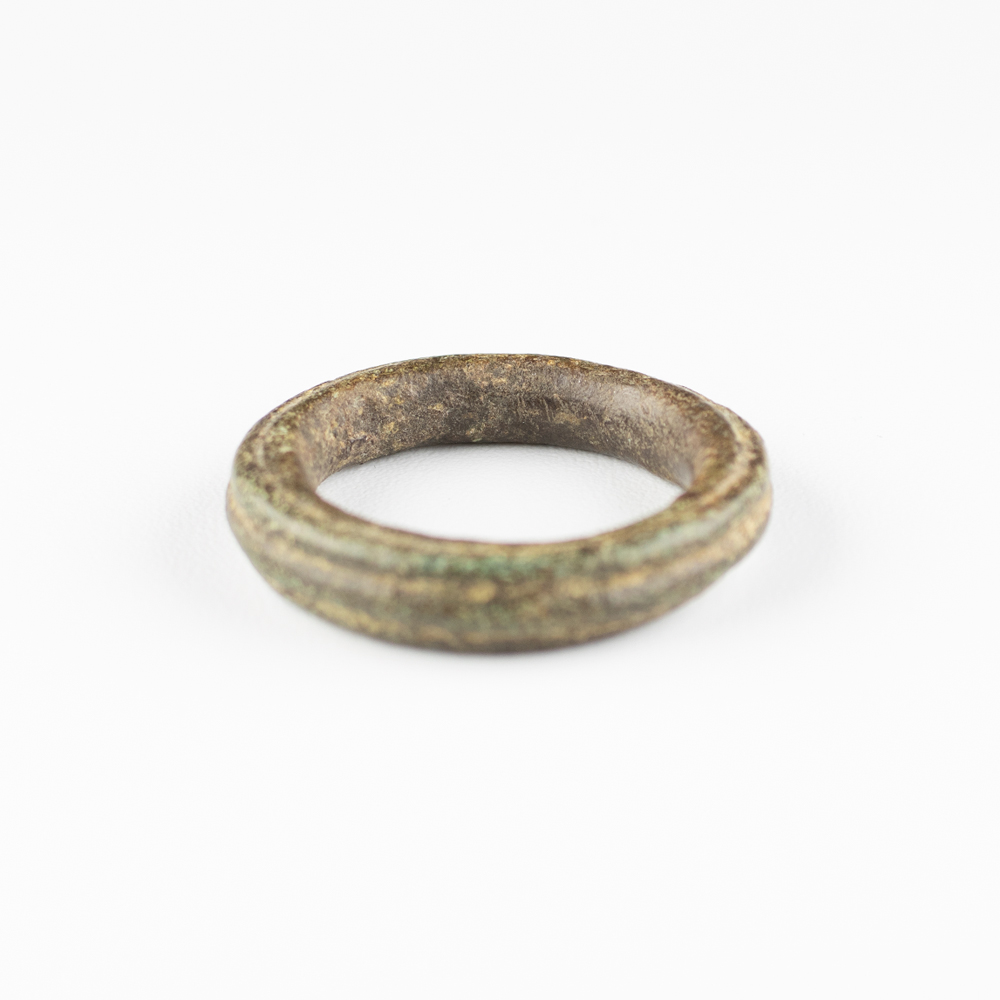
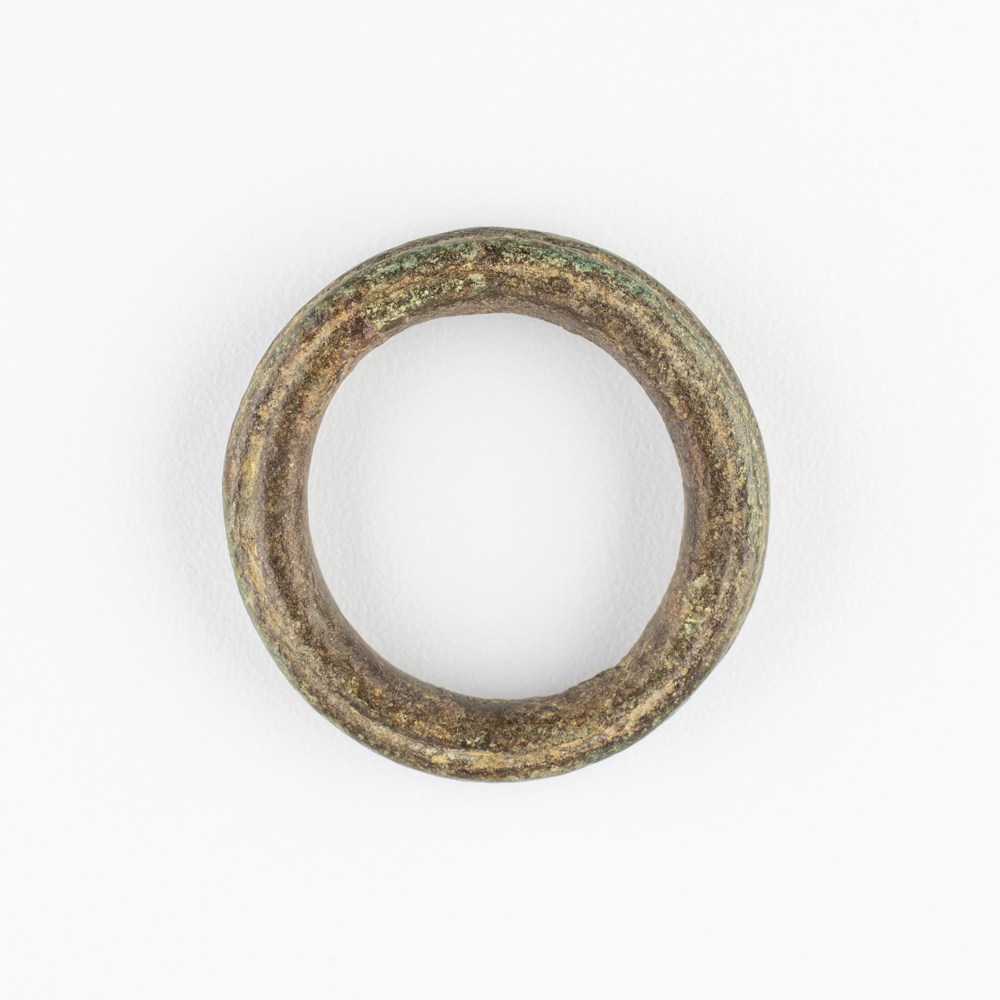
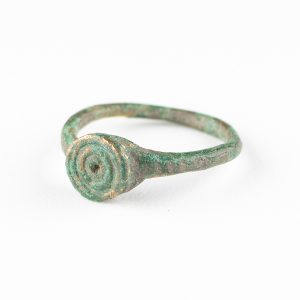
Please note: The first 2 images show the original artefact which isn’t for sale.
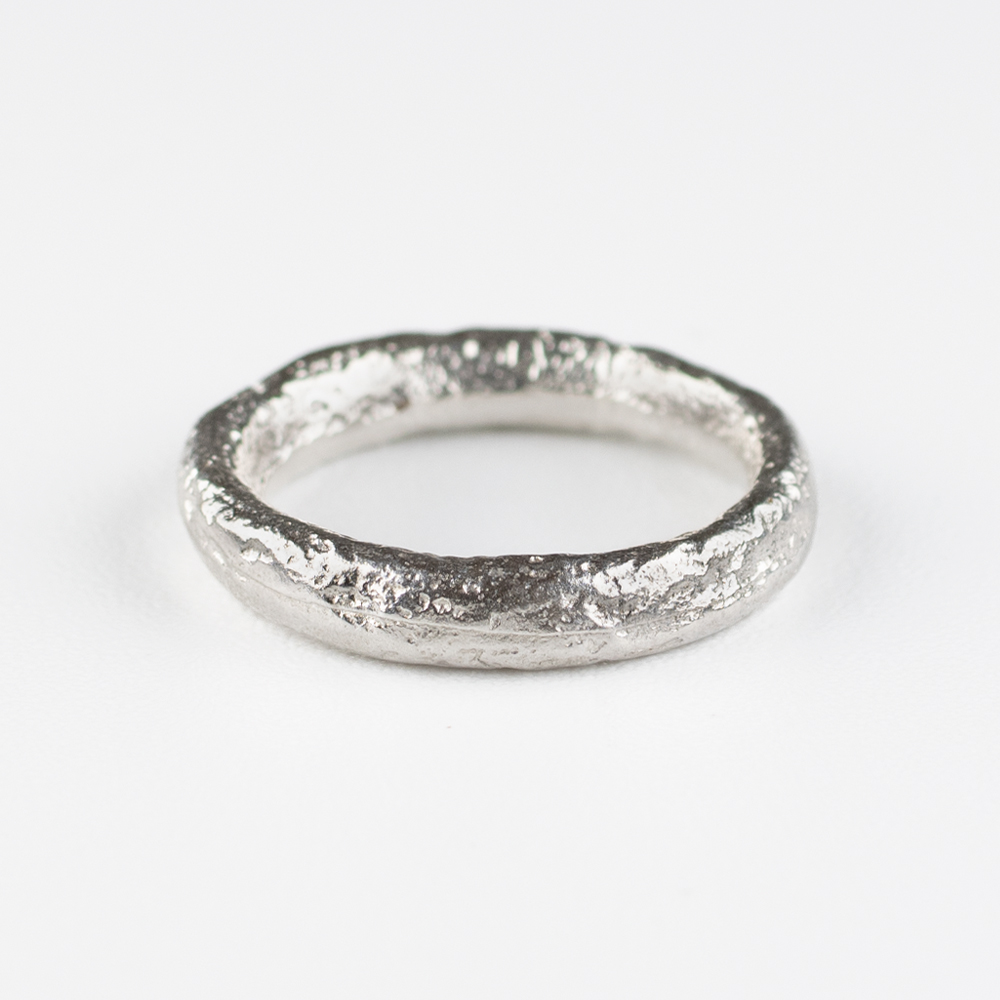
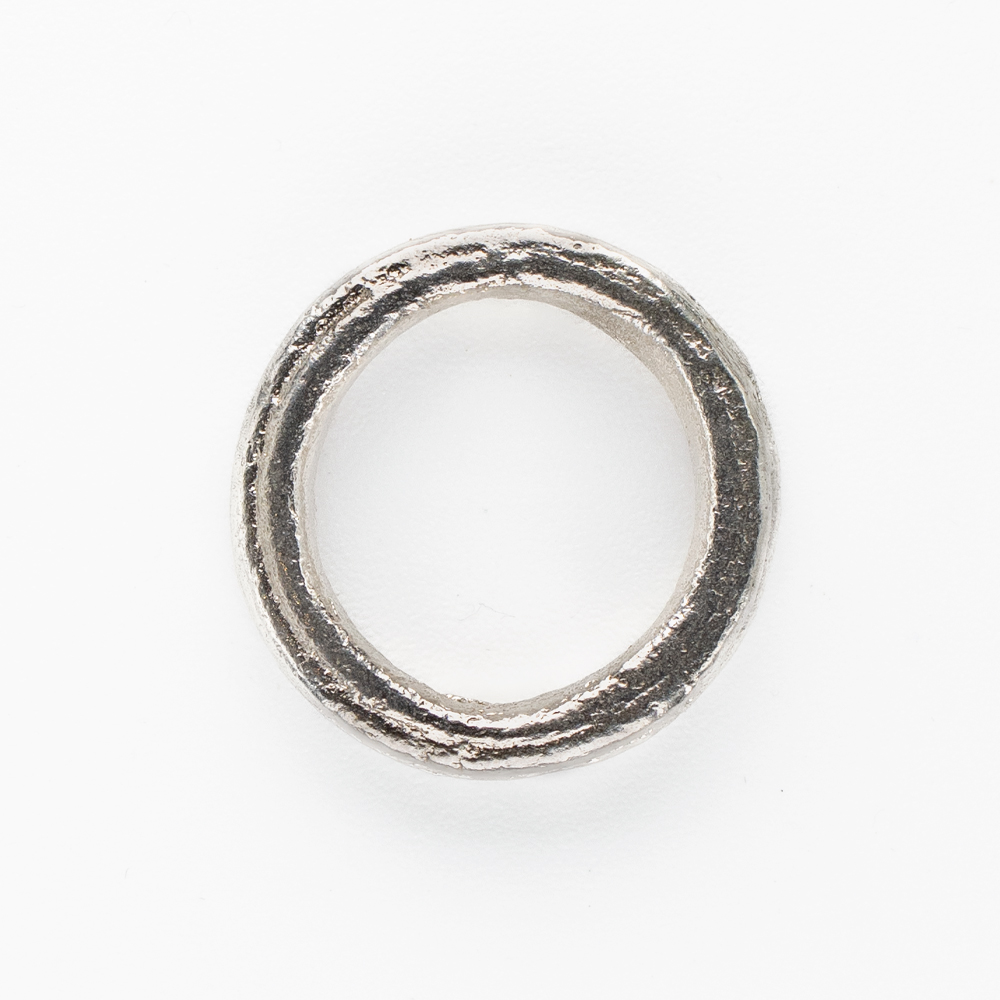
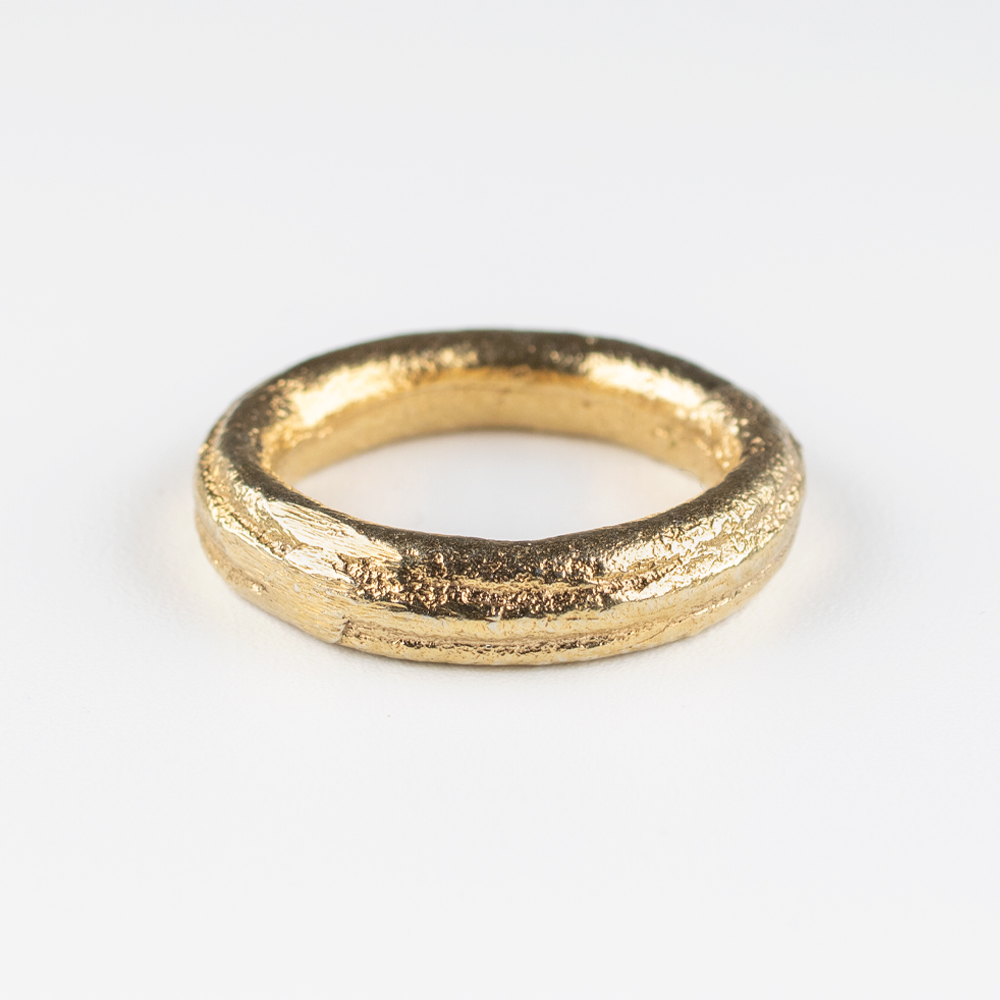
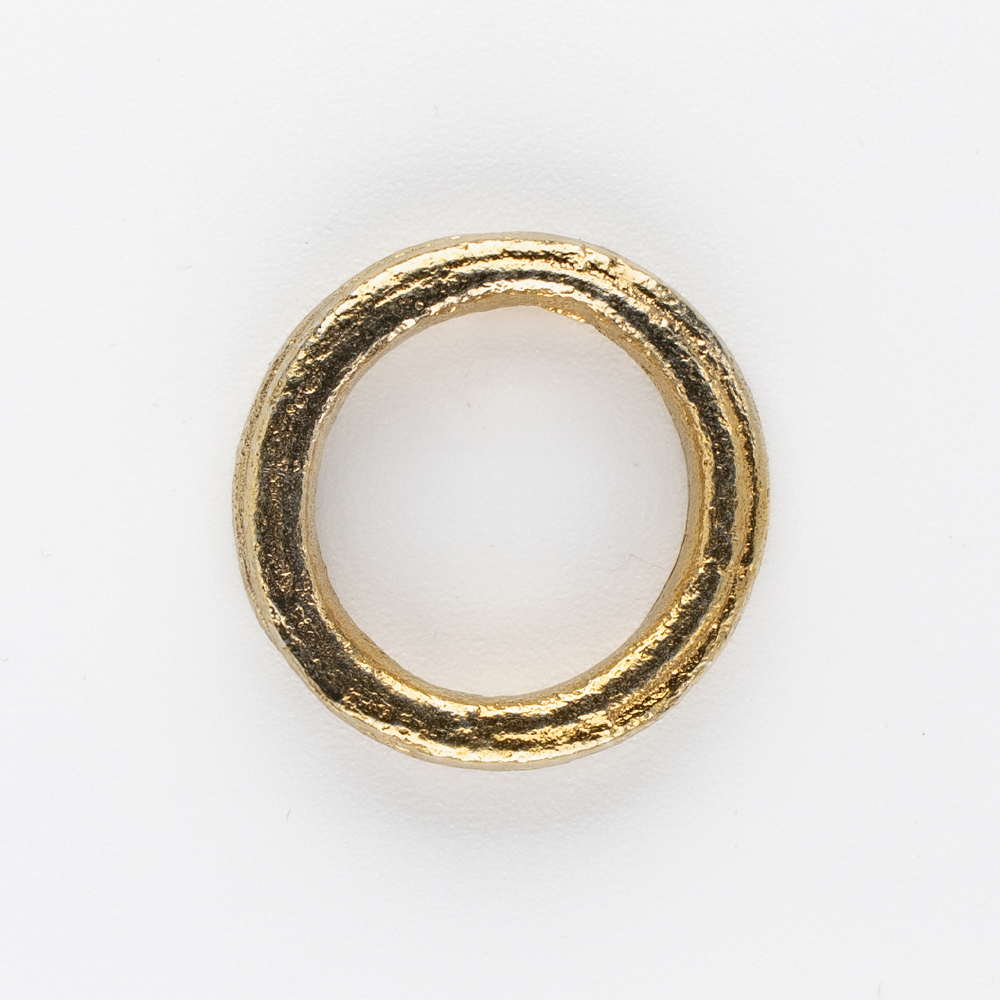
The Casting: This is a faithful 1:1 cast of the Northumberland find. We have maintained the substantial weight and the tactile, rounded profile of the original to ensure it feels like a “hoard” piece.
Material: Available in Solid Sterling Silver, 9ct Gold, or 18ct Gold.
Finish: Hand-finished to a soft, antique glow that highlights the ancient casting seams while remaining comfortable for daily wear as a band ring.
Only20 item(s)left in stock!
-
Free shipping on all orders over £100
-
Next Day Delivery Available Shipping & Returns
Guaranteed Checkout

Please note: The first 2 images show the original artefact which isn’t for sale.
Period: Iron Age (c. 300 BC – 50 AD)
Original Material: Copper Alloy (Bronze)
Find Location: Northumberland, UK
Style: Heavy-cast “Ring-Money”
Significance of the Design:
- Before the widespread adoption of struck coins, the Celtic tribes of Britain utilized “Ring-Money.” These heavy, cast bronze rings were a primary form of currency, valued by their weight and metal content. This specific find from Northumberland is notably robust, designed to be strung onto leather cords for transport or worn as a simple, utilitarian piece of jewellery.
In the tribal society of Northern Britain, possessing these rings was a direct display of liquid wealth. They were used for significant transactions, such as the payment of dowries, the settlement of tribal debts, or the purchase of livestock. The circular shape was not accidental; it symbolized the “eternal cycle” and was often used in ritual deposits, offered to the earth or water to ensure future prosperity. Wearing a copy of this ring today is a tribute to the very origins of commerce and value in the British Isles.
The Find:
Discovered by a metal detectorist in the rugged terrain of Northumberland, the original artifact is a “heavy-weight” cast. It features a deep, earthy patina and a distinctive, slightly irregular thickness that proves it was hand-cast in a clay mold. The smooth internal surface suggests that while it functioned as currency, it was likely also carried or worn as a personal “wealth-ring” by its Iron Age owner.
| Material | Solid Sterling Silver, 9ct Gold, 18ct Gold |
|---|
Related Products
Recently Viewed Products
Hot
Medieval Stirrup Ring
£75.00Hot
The Scottish Medieval Head
£75.00Hot
Roman Ring & Dot Signet
£75.00Hot
Hot