The Northumberland Viking Scored Band
£75.00
people are viewing this right now
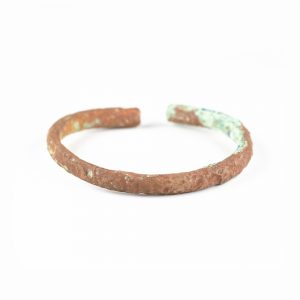
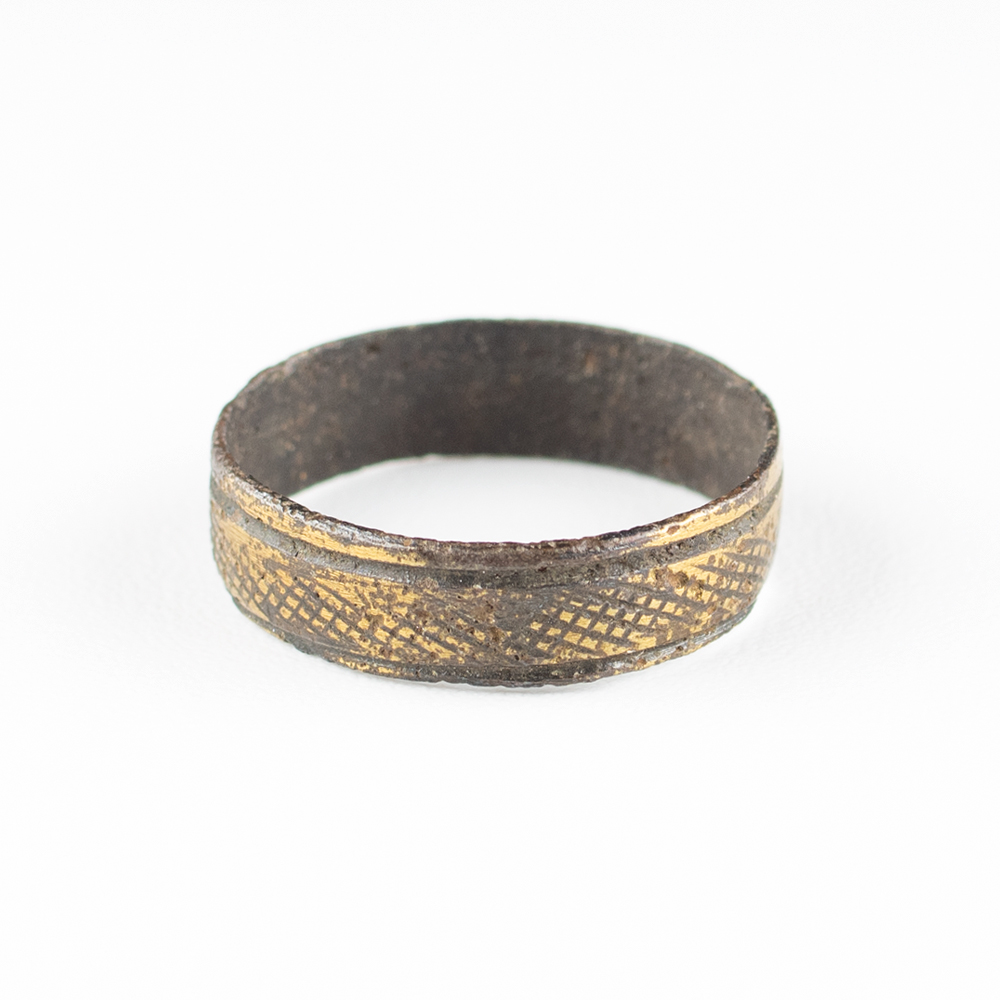
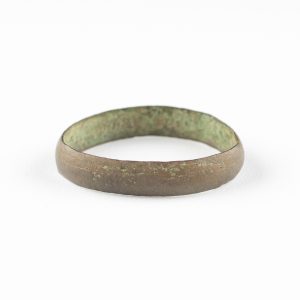
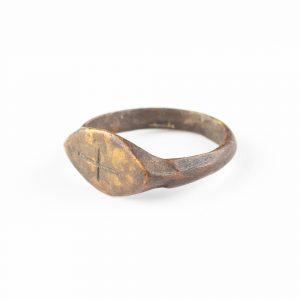
Please note: The first image shows the original artefact which isn’t for sale.
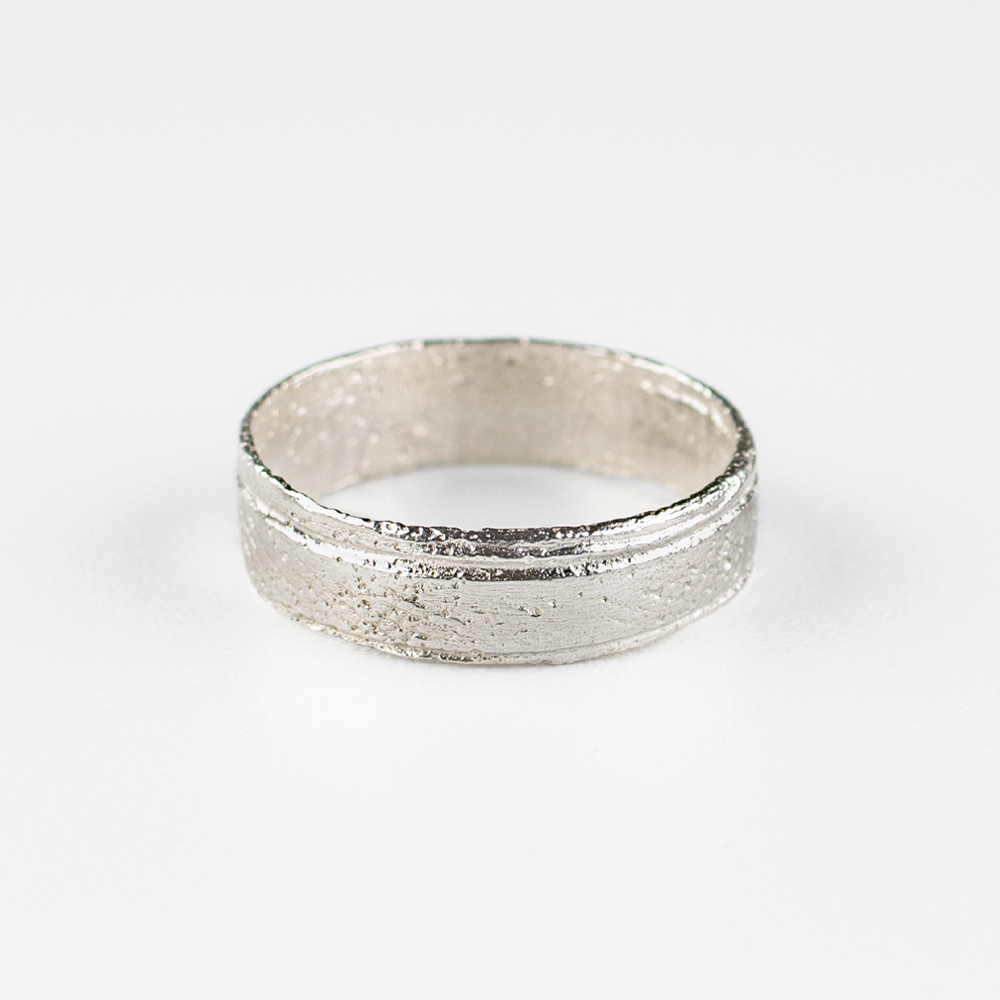
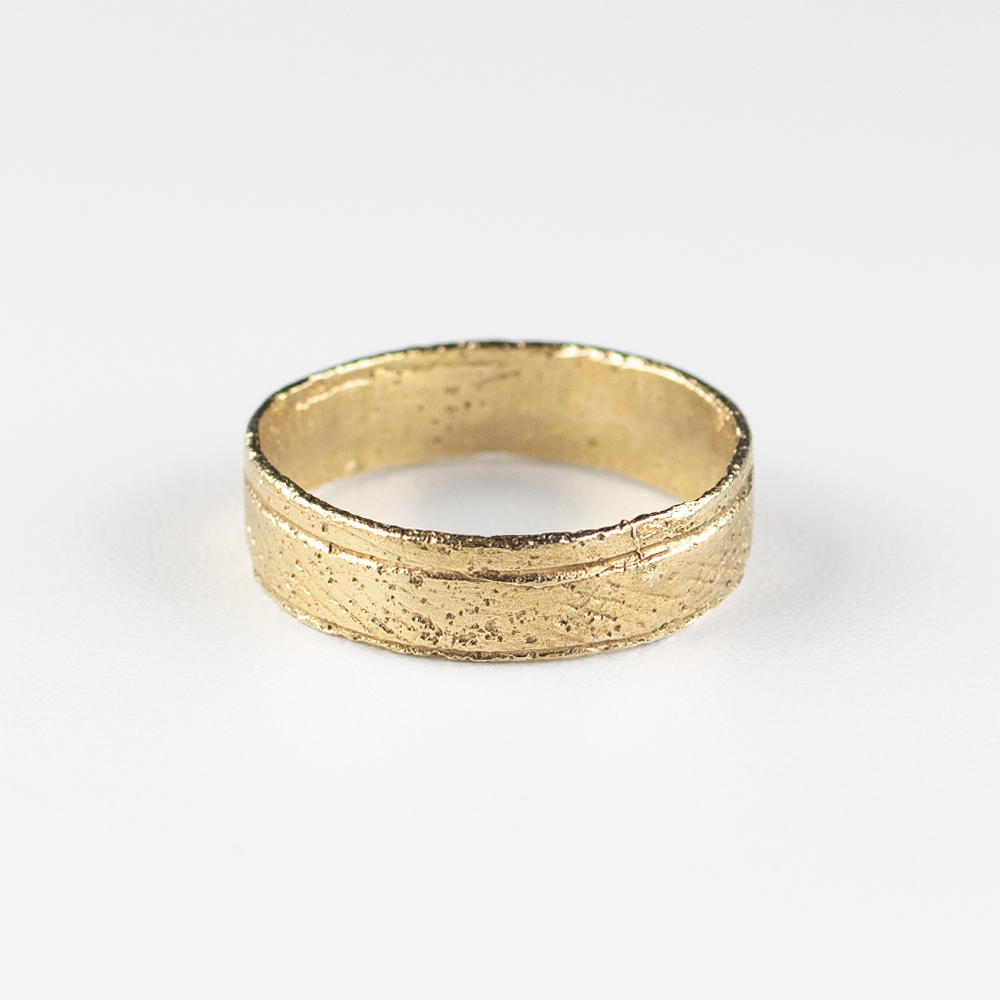
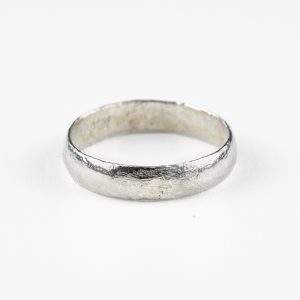
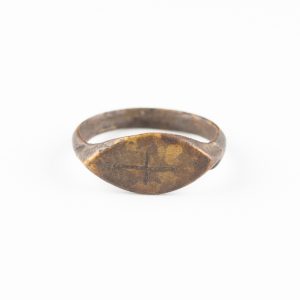
The Casting: This is an exact 1:1 cast of the Northumberland find. We have meticulously preserved the hand-cut “X” patterns and the authentic, slightly irregular edges of the original band.
Material: Available in Solid Sterling Silver, 9ct Gold, or 18ct Gold.
Finish: We offer a “History” finish that retains the dark, recessed lines of the scoring to mirror the look of the found artifact, or a “Polished” finish for a bright, regal appearance.
Only20 item(s)left in stock!
-
Free shipping on all orders over £100
-
Next Day Delivery Available Shipping & Returns
Guaranteed Checkout

Please note: The first image shows the original artefact which isn’t for sale.
Period:9th – 10th Century AD (Viking Age / Danelaw)
Original Material: Copper Alloy (Bronze) with traces of gilding
Find Location: Northumberland, UK
Style:Flat band with incised geometric “X” or saltire scoring
Significance of the Design:
- This ring features a recurring “Saltire” or X-shaped scoring pattern framed by parallel horizontal borders. In the Viking world, geometric patterns were far more than simple decoration; they often served as a form of “Merchant’s Marks.” Because Viking jewellery frequently functioned as “hack silver” (currency weighed on scales), the specific markings on a band could act as a signature of the smith or a guarantee of the metal’s volume.
The “X” motif also held protective connotations in Norse culture, often associated with the rune Gebo, symbolizing a “gift” or a reciprocal connection between people or between a human and the divine. In Northumberland – a region that saw intense Viking activity and settlement – this ring would have been a rugged, everyday accessory. The original shows traces of gilding, suggesting that when it was first worn, it would have gleamed like solid gold, marking the wearer as an individual of trade or warrior status within the local community.
The Find:
Discovered by a metal detectorist in Northumberland, the original artifact is a remarkably well-preserved “D-section” band. The interior of the ring is smooth from years of constant contact with the skin, while the exterior has developed a deep, dark patina that highlights the ancient “cross-hatched” scoring. The precision of the border lines suggests the original was finished with a steady hand using a fine iron graver.
| Material | Solid Sterling Silver, 9ct Gold, 18ct Gold |
|---|
Related Products
Hot
Hot
Hot
Hot
Recently Viewed Products
Hot
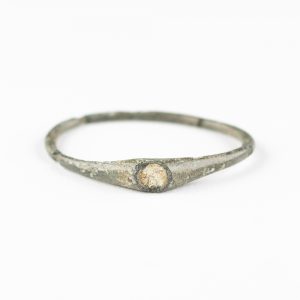
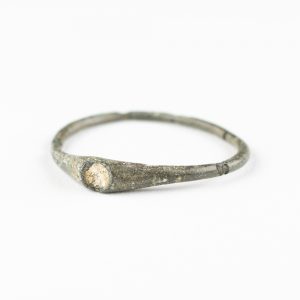
Medieval Stirrup Ring
£75.00Hot
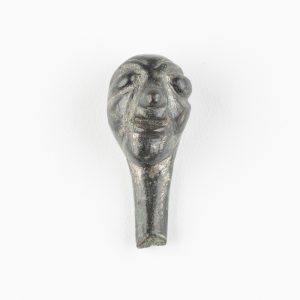
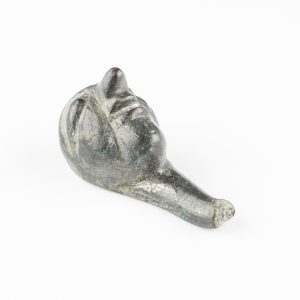
The Scottish Medieval Head
£75.00Hot
Roman Ring & Dot Signet
£75.00Hot
Hot