
The Scottish Celtic Small Currency Ring
£75.00
people are viewing this right now
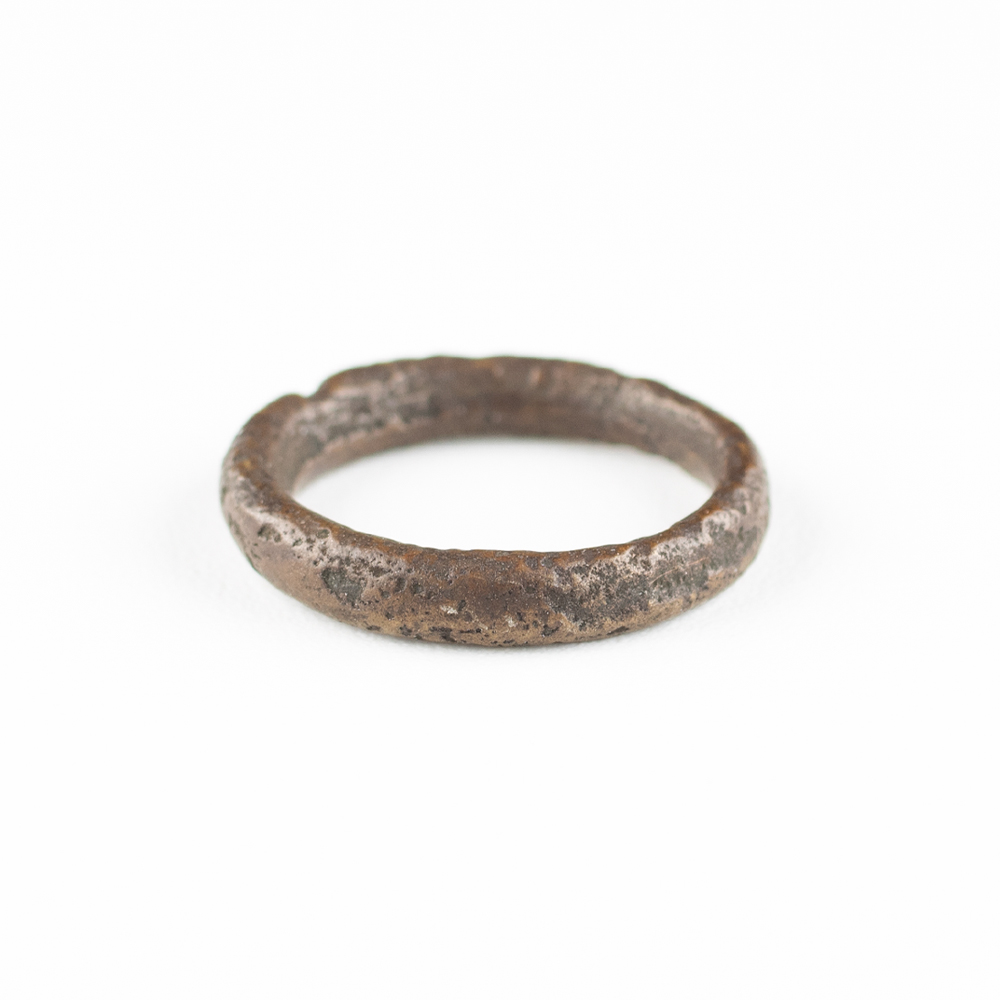
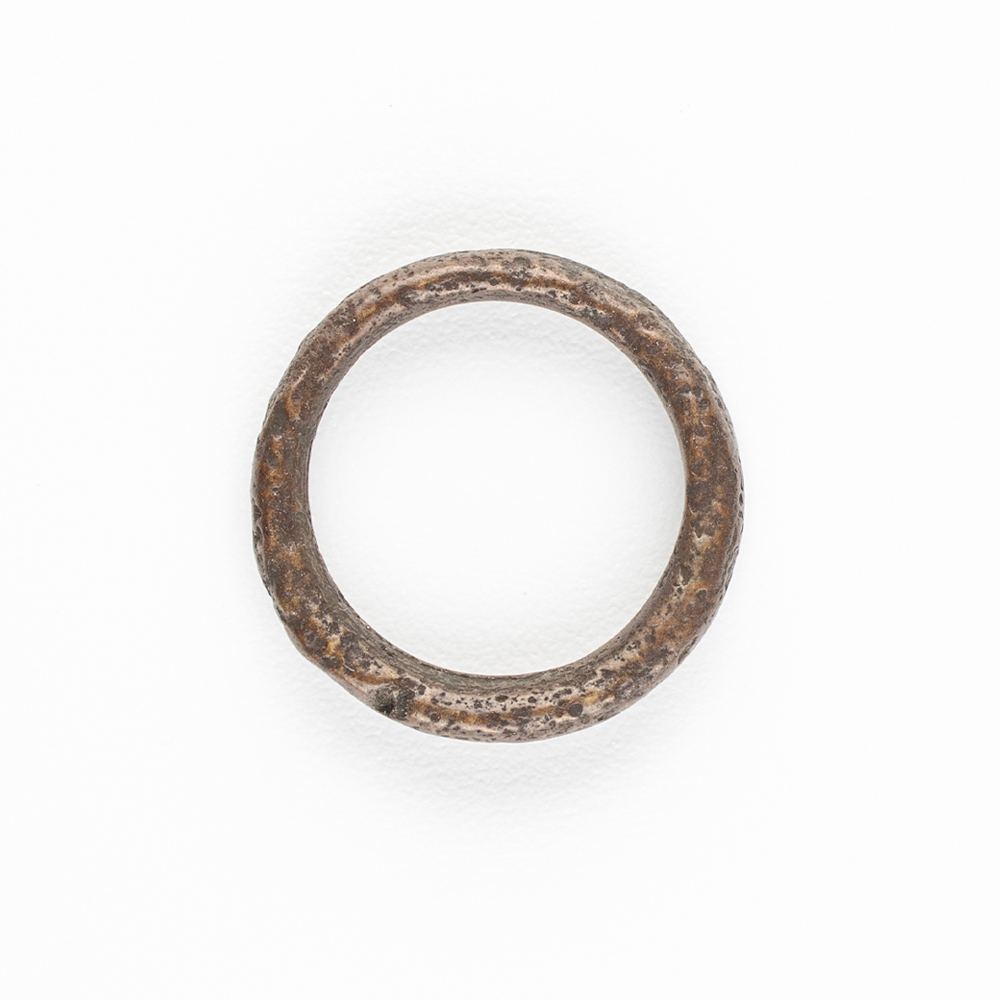
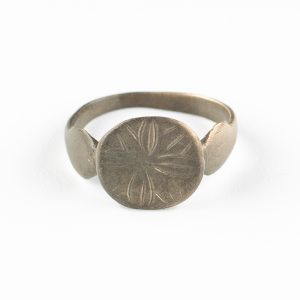
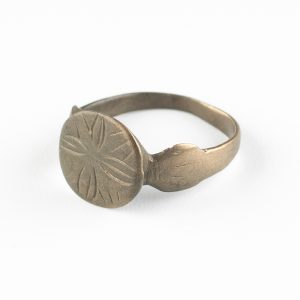
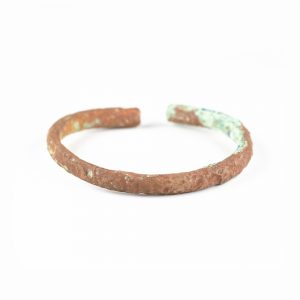
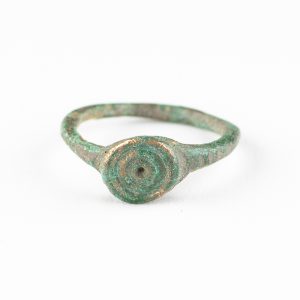
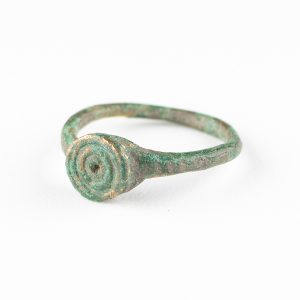
Please note: The first 2 images show the original artefact which isn’t for sale.
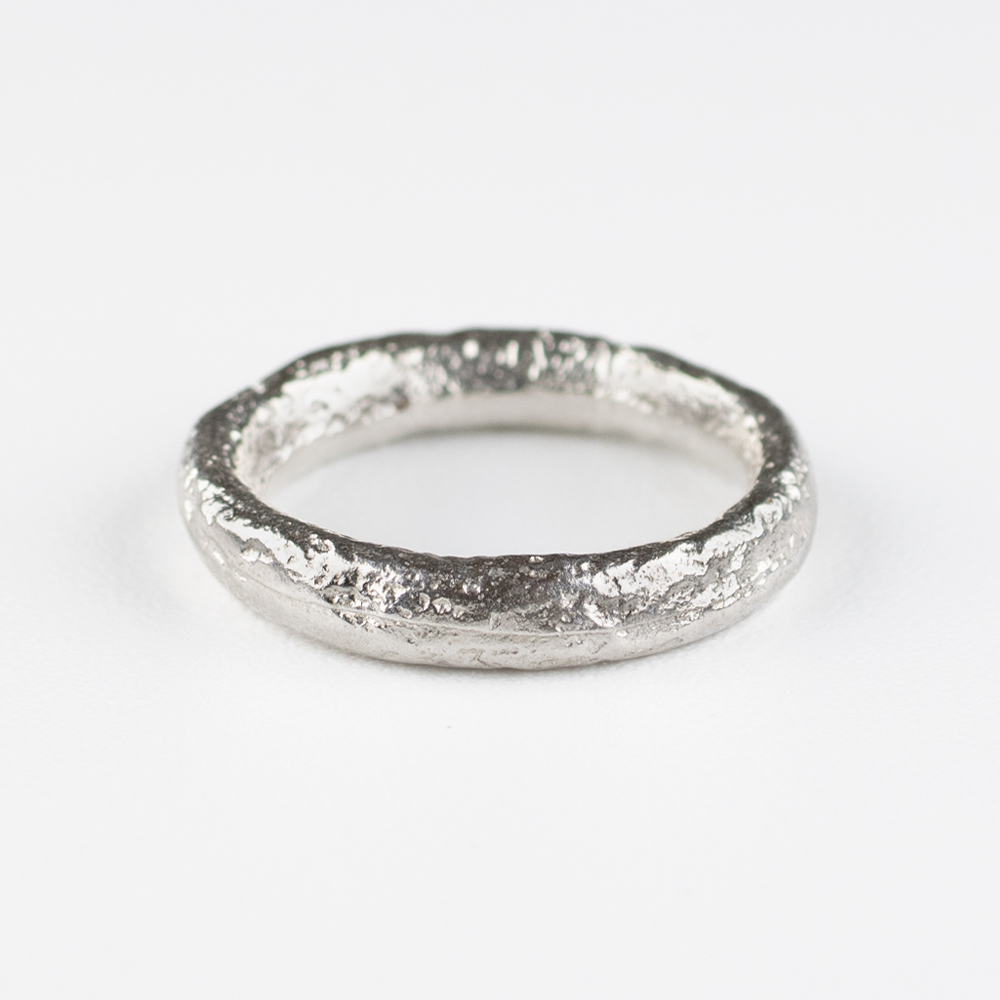
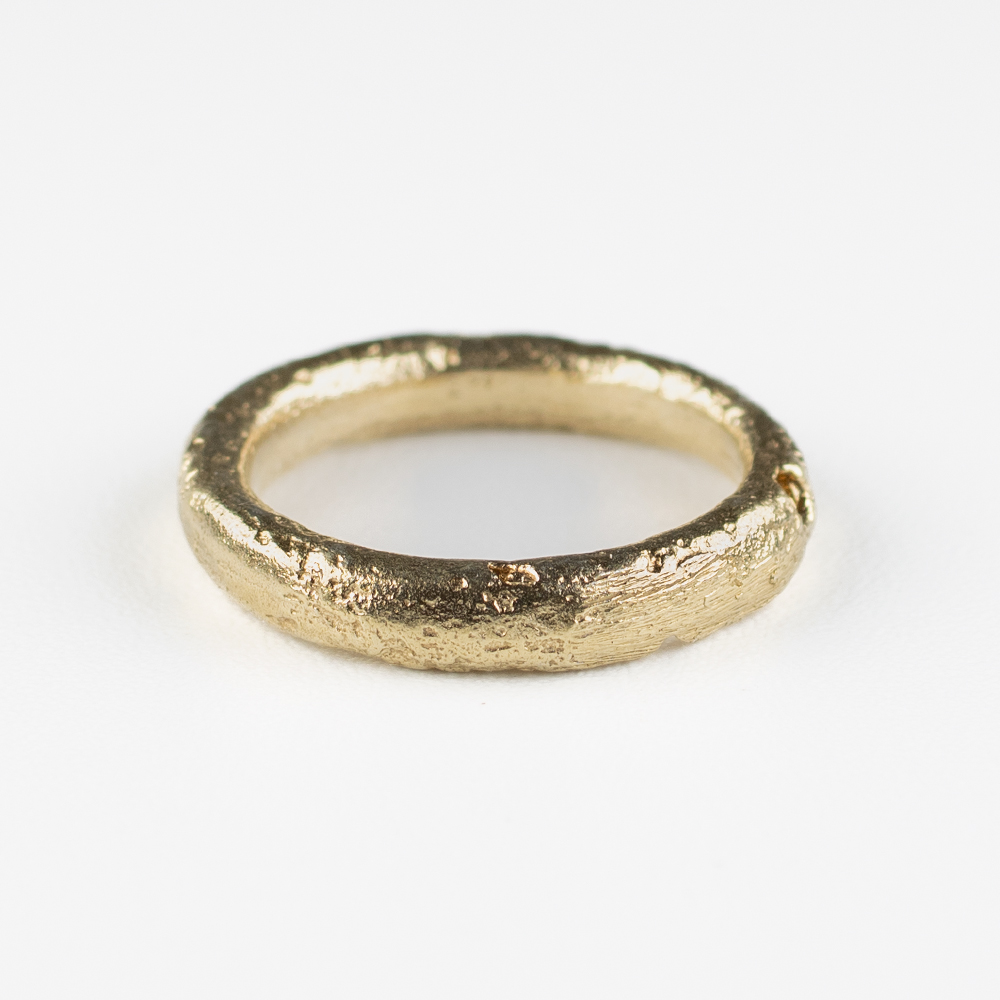
The Casting: This is an exact 1:1 cast. We have been careful to preserve the weathered, “as found” texture of the bronze original, ensuring the history of the piece is felt in every ridge.
Material: Available in Solid Sterling Silver, 9ct Gold, or 18ct Gold.
Wearability: Unlike the heavier Northumberland version, this smaller ring is perfectly proportioned for daily wear as a comfortable, minimalist band with a profound historical soul.
Only20 item(s)left in stock!
-
Free shipping on all orders over £100
-
Next Day Delivery Available Shipping & Returns
Guaranteed Checkout

Please note: The first 2 images show the original artefact which isn’t for sale.
Period: Iron Age (c. 300 BC – 50 AD)
Original Material: Copper Alloy (Bronze)
Find Location: Scotland (Regional find)
Style: Small-cast “Ring-Money”
Significance of the Design:
- While heavy rings were used for major tribal transactions, smaller bronze rings like this one functioned as the “daily currency” of the Celtic world. In a society without minted coins, value was determined by the purity and weight of the metal. These smaller rings allowed for the purchase of everyday items – tools, grain, or pottery – making them a crucial part of the Scottish Iron Age marketplace.
The design is purposefully simple and robust. The circular form carried deep spiritual significance for the Celts, representing unity and the cyclical nature of the seasons. Because they were often worn on fingers, ears, or sewn onto clothing, these rings allowed a person to literally “wear their wealth.” In the rugged landscapes of ancient Scotland, having portable, durable currency was a necessity for traders and travellers moving between hillforts and coastal settlements.
The Find:
Discovered by a metal detectorist in Scotland, the original artifact shows a distinctive “pitted” texture, a result of centuries of interaction with the acidic Highland peat and soil. This weathering has given the ring an incredibly tactile, organic surface that modern jewellery cannot authentically replicate. The slight variation in the band’s thickness is a clear indicator of the ancient “sand-casting” or “clay-mold” process used by Scottish smiths over 2,000 years ago.
| Material | Solid Sterling Silver, 9ct Gold, 18ct Gold |
|---|
Related Products
Hot
Hot
Hot

Hot
Recently Viewed Products
Hot
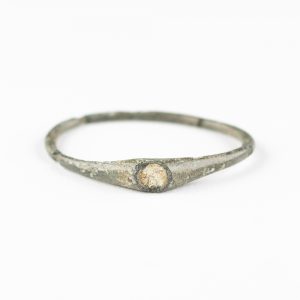
Medieval Stirrup Ring
£75.00Hot
The Scottish Medieval Head
£75.00Hot
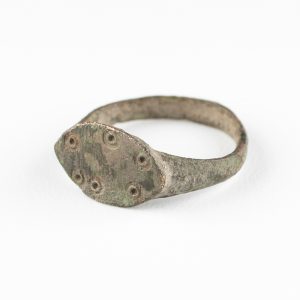
Roman Ring & Dot Signet
£75.00Hot
Hot
